
ADD vs ADHD: What’s the Difference?
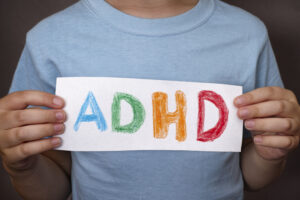
ADD and ADHD are different names for the same diagnosis. ADD is an older term that’s no longer used clinically. Today, all presentations of attention deficit disorder fall under ADHD, which is divided into three presentations: inattentive, hyperactive-impulsive, and combined. If someone you know was diagnosed with ADD years ago, they’d receive an ADHD diagnosis under today’s standards.


If you’ve heard a doctor say “ADD,” a teacher say “ADHD,” and a grandparent say “he just can’t sit still,” you’re not alone in being confused. These terms are used interchangeably all the time, which creates a lot of unnecessary uncertainty for parents and families.
Here’s the short version: ADD is simply an older name for what we now call ADHD. They’re not two separate conditions. The terminology changed. The disorder didn’t.
Let’s break down exactly what that means and why it matters for treatment.
What Is the Difference Between ADD and ADHD?

ADD, or Attention Deficit Disorder, was the DSM-III diagnostic term from 1980 to 1987, when the DSM-III-R replaced it with ADHD. The change wasn’t cosmetic. Clinicians recognized that hyperactivity was a core feature of the disorder for many patients, not just an occasional side effect.
The biggest difference between ADD and ADHD is that ADD is obsolete terminology that is no longer used as a formal diagnosis.
Since then, ADHD has been refined further. In 1994, the DSM-IV introduced three distinct presentations that are still in use today:
- Predominantly inattentive presentation
- Predominantly hyperactive-impulsive presentation
- Combined presentation
What used to be called ADD most closely matches the predominantly inattentive presentation. But calling it ADD today isn’t clinically accurate.
Who Gets Diagnosed With ADHD?
Estimates vary, but about 5 to 7 percent of children worldwide have ADHD, while roughly 11 percent of U.S. children have ever been diagnosed. Boys are more likely to be diagnosed than girls. Recent CDC data show roughly 15 percent of boys and about 8 percent of girls in the U.S. have been diagnosed with ADHD. More than 60 percent of those diagnosed have co-occurring conditions, often other behavioral or developmental disorders.
It’s estimated that roughly 3 to 5 percent of adults globally have ADHD, carrying it over from childhood.
It’s worth knowing that ADHD doesn’t disappear at a specific age. The DSM-5 (published in 2013) requires that symptoms be present before age 12, but adults can absolutely receive an ADHD diagnosis, often retroactively based on childhood symptoms that went unrecognized.
What Is ADD (Inattentive ADHD)?
The predominantly inattentive presentation is what people used to call ADD. It shows up as persistent difficulty focusing, trouble following through on tasks, and a tendency to miss details. It’s more passive than the hyperactive-impulsive presentation, which means it often goes undiagnosed longer, especially in girls and women, who are more likely to experience this presentation.
Common signs include overlooking details and making careless mistakes, struggling to organize and complete tasks, and being easily distracted.
What Is Hyperactive-Impulsive ADHD?
The predominantly hyperactive-impulsive presentation pairs inattention with more outwardly visible behaviors, such as fidgeting, incessant talking, impatience, and difficulty reading social cues. It’s the presentation most people picture when they hear “ADHD.” The high energy and impulsivity can make classroom and home environments difficult for everyone involved.
Are ADD and ADHD the Same Thing?
Yes. Both terms refer to the same neurodevelopmental disorder, now called ADHD. Some people still use ADD to refer specifically to the inattentive presentation, but that isn’t clinically accurate under current DSM-5 guidelines. ADHD is the correct term for all presentations.
You’ll also find some behavioral overlap between ADHD and autism spectrum disorder. They share several traits and frequently co-occur. Learn more about how to tell ADHD apart from ASD symptoms in children.
Is There a Difference in Treatment Between ADD and ADHD?
No matter which presentation a child or adult has, all three respond to behavioral intervention. Behavioral therapies, including behavior modification, parent training, and CBT, are commonly recommended treatments for ADHD. Early behavioral interventions can reduce symptom severity and may decrease reliance on medication in some cases.
Some of the most effective tools for ABA therapy for ADHD include:
- Discrete Trial Training (DTT): Breaks down difficult behaviors into manageable steps and systematically reinforces each one.
- Self-Management Training: Typically used with older patients, this builds internal feedback habits to help regulate impulses.
- Cognitive Behavioral Therapy (CBT): A hybrid of behavioral and psychotherapy techniques, useful in both individual and group settings for self-assessment and self-regulation.
The inattentive presentation does open up some additional treatment options. One challenge with the hyperactive-impulsive presentation is that authority figures often spend so much time responding to disruptive behavior that the child is already saturated with negative feedback by the time a therapist gets involved. That’s a harder starting point. With inattentive ADHD, there’s more room to build reinforcement strategies from scratch, since the pattern of reactive correction isn’t as entrenched. Techniques like differential reinforcement, which systematically reward desired behaviors while withholding attention from unwanted ones, tend to get more traction with inattentive patients for exactly this reason.
In some cases, behavioral intervention is combined with stimulant medication prescribed by a physician. When that happens, behavior analysts and medical doctors work in parallel, each addressing a different piece of the picture.
Parents and Teachers as Part of the Treatment Team

One of the most important things to understand about ADHD treatment is that the most effective work often happens outside the therapy room. Even a skilled behavior analyst can’t be with a child all the time. What they can do is train the people who are.
Parents and teachers become an extension of the behavioral support system. That means learning how to reinforce the right behaviors, how to scale responses appropriately, and critically, how to avoid accidentally reinforcing the behaviors they’re trying to reduce. Reacting strongly to disruptive behavior, yelling, and escalating can actually increase it. That’s the opposite of what anyone wants.
That’s why behavior analysts often play a lead role in ADHD cases both at home and in school settings. It’s challenging work, but watching a classroom settle or a family find its rhythm again makes it worth it.
Frequently Asked Questions
Are ADD and ADHD the same thing?
Yes. Both terms refer to the same neurodevelopmental disorder, now called ADHD. ADD is an older term that’s no longer used in formal diagnoses. ADHD is the current, clinically recognized name for all presentations of the disorder.
What does ADD stand for?
ADD stands for Attention Deficit Disorder. It was the DSM-III diagnostic term from 1980 to 1987, when it was updated to Attention-Deficit Hyperactivity Disorder (ADHD) to better reflect the full range of symptoms, including hyperactivity.
Can adults be diagnosed with ADHD?
Yes. While symptoms must have been present before age 12, adults can receive an ADHD diagnosis. Many people weren’t diagnosed in childhood and only identify the condition later in life, often when symptoms become harder to manage without support.
What is inattentive ADHD?
The predominantly inattentive presentation is the non-hyperactive form of ADHD. It presents as persistent difficulty focusing, disorganization, and absentmindedness rather than the high-energy behaviors associated with the hyperactive-impulsive presentation. Girls and women are more likely to experience this presentation, and it often goes undiagnosed longer as a result.
How is ADHD treated with behavioral therapy?
Behavioral therapies for ADHD include techniques like Discrete Trial Training, Self-Management Training, and Cognitive Behavioral Therapy. Behavior analysts also work directly with parents and teachers to build consistent reinforcement strategies that carry over beyond therapy sessions.
Key Takeaways
- ADD is an outdated clinical term. All presentations of attention deficit disorder are now diagnosed as ADHD under DSM-5 guidelines.
- ADHD has three presentations: predominantly inattentive, predominantly hyperactive-impulsive, and combined. What people once called ADD maps most closely to the inattentive presentation.
- Boys are diagnosed with ADHD at roughly twice the rate of girls, but the inattentive presentation is more common in girls and women and often goes undiagnosed longer.
- Behavioral therapies, including behavior modification, parent training, and CBT, are commonly recommended for all three ADHD presentations.
- The most effective ADHD intervention involves training parents and teachers alongside direct treatment of the child.
Ready to explore a career helping kids and families navigate ADHD and other behavioral challenges?