Why We Built This Site, and How it Has Evolved
Applied behavior analysis became a formal discipline in 1968, when three researchers at the University of Kansas, Baer, Wolf, and Risley, published the paper that defined what counts as “applied” behavioral research. It took another thirty years for the field to organize around a national standard: the Behavior Analyst Certification Board wasn’t founded until 1998. State licensing came later still. Nevada and Oklahoma enacted the first state behavior-analyst licensure laws in 2009, and the rest of the country followed after that.
We launched AppliedBehaviorAnalysisEdu.org in 2016, several years into that wave, as more and more states were putting licensing laws on the books. But this was still a time when prospective students had few reliable resources available for finding out which requirements actually applied to them. A decade later, as of 2026, 40 states plus Washington, D.C. have enacted behavior analyst licensure or regulation laws, graduate programs have multiplied, and AppliedBehaviorAnalysisEDU.org has grown right alongside all of it.
How the ABA Field and AppliedBehaviorAnalysisEDU.org Grew Up Together
ABA becomes a formal discipline
Baer, Wolf, and Risley publish the paper defining what counts as “applied” behavioral research.
The BACB is founded
The first national certification standard for behavior analysts, more than thirty years after the field itself began.
State licensing begins
Nevada and Oklahoma enacted the first state behavior-analyst licensure laws.
Massachusetts licenses behavior analysts
The result of a six-year effort by Michael Dorsey and state Rep. John Scibak, covered in more detail below.
AppliedBehaviorAnalysisEDU.org launches
Seven years into that first wave of licensing, when many states still had no licensing law in place at all, and prospective students had nowhere reliable to check requirements.
40 states plus D.C. now regulate the profession
The growing network of people who contribute to AppliedBehaviorAnalysisEDU.org is the biggest part of our growth story. Professors running the graduate programs training the next generation of behavior analysts. Practitioners who took the research out of university labs and into homes, schools, and clinics. Writers who’ve spent a decade turning all of it into something prospective students can actually use to make decisions. AppliedBehaviorAnalysisEDU.org exists because the ABA field keeps growing, and because dedicated people keep showing up to help.
Credentialing Expertise: The Rules Behind the Requirements, From the Authority Who Wrote Them
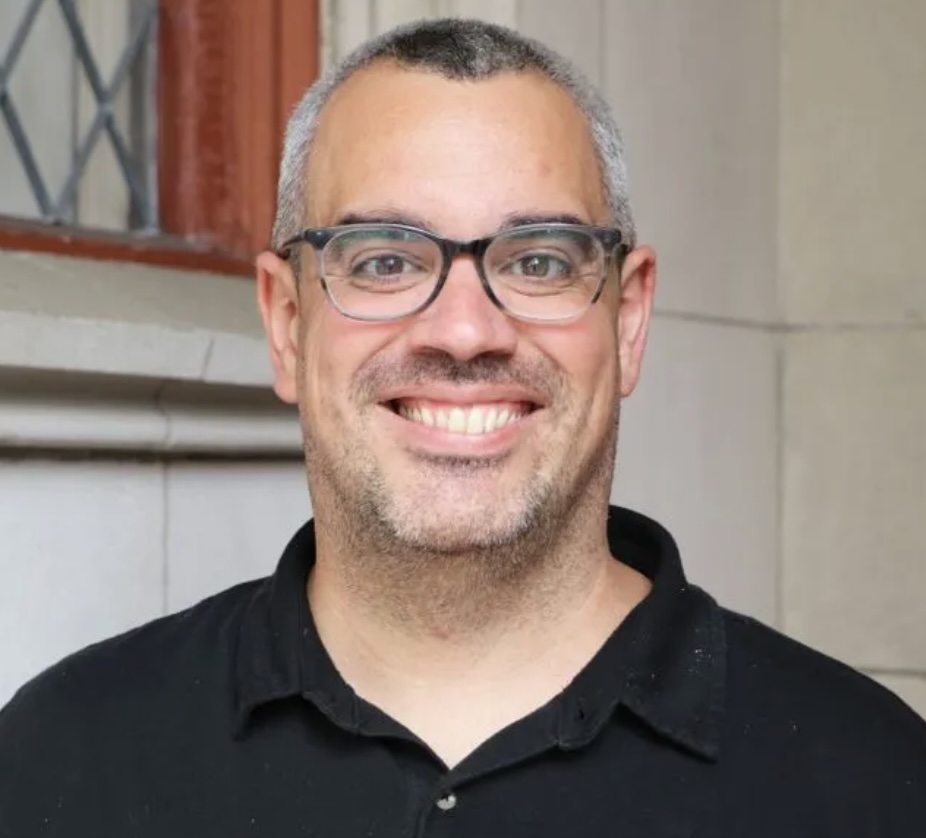
Nevada and Oklahoma enacted the first state behavior-analyst licensure laws in 2009. Massachusetts followed in 2013, after a licensing effort Dorsey and state Rep. John Scibak began in 2007. The person who helped write that bill is someone AppliedBehaviorAnalysisEDU.org has been able to call on directly.

Michael F. Dorsey, Ph.D., BCBA-D, LABA
VP of Psychological Services, Amego Inc. · Lecturer, Applied Behavior Analysis Programs, Northeastern University
Dr. Dorsey earned his Ph.D. from Western Michigan University in 1979 and spent the following decades helping build the infrastructure AppliedBehaviorAnalysisEDU.org reports on daily. He chaired ABAI’s Verified Course Sequences Board, which oversaw ABAI’s former Verified Course Sequence system for coursework tied to BACB certification eligibility, and served as one of the original members of the Massachusetts Licensing Board for Applied Behavior Analysts. More than 40 states now license behavior analysts in some form.
Professional Experience: Where the Science Meets Real-World ABA Practice
The expansion of autism insurance mandates in the 2000s and 2010s helped make autism treatment one of ABA’s most visible clinical applications. But the science underlying it was never limited to that population, and some of the field’s more interesting growth has occurred entirely outside insurance-funded clinical settings, in general parenting practices built on the same principles.

Jamie Waldvogel, MS, BCBA, LBA
Founder & Owner, Behave Your Best
Jamie built her BCBA credential the traditional way: a BS from the University of Wisconsin-Eau Claire and a master’s in behavior analysis and therapy from Southern Illinois University. What she built next was less traditional. After years of watching well-meaning parents accidentally escalate their own kids’ meltdowns, she began Behave Your Best in 2011 to put ABA’s principles directly into parents’ hands regardless of diagnosis. Her “Pretend You Are A Light Switch®” method uses a fight/flight/freeze framework to help parents respond to children during periods of stress or overwhelm, and Behave Your Best says more than 700 parents have used its services.
Educational Authority: Meet the Faculty Who Weighed In On Key Topics
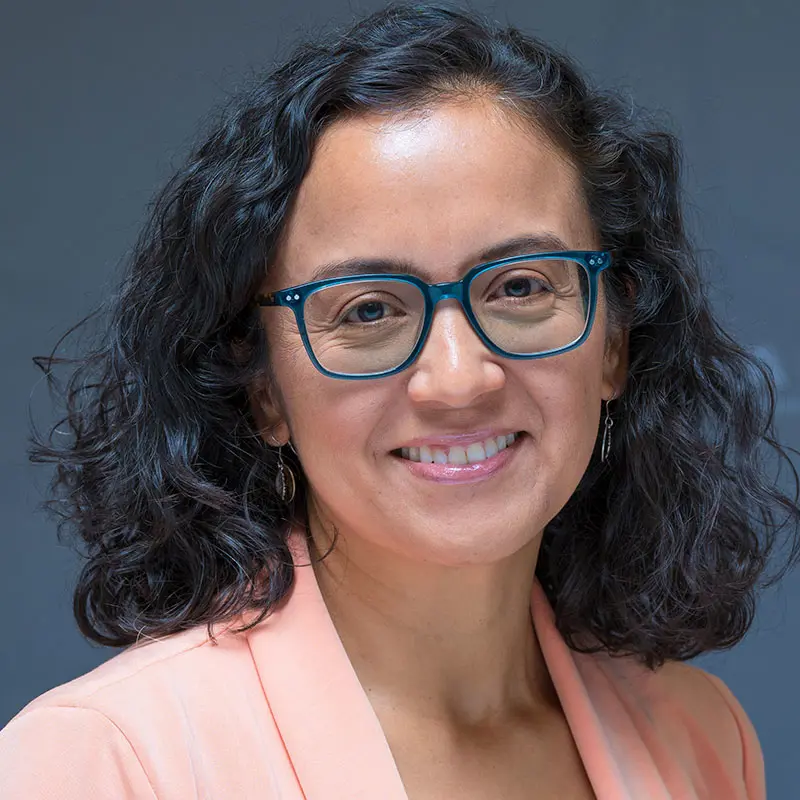
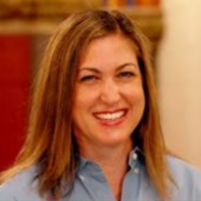
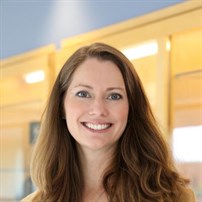
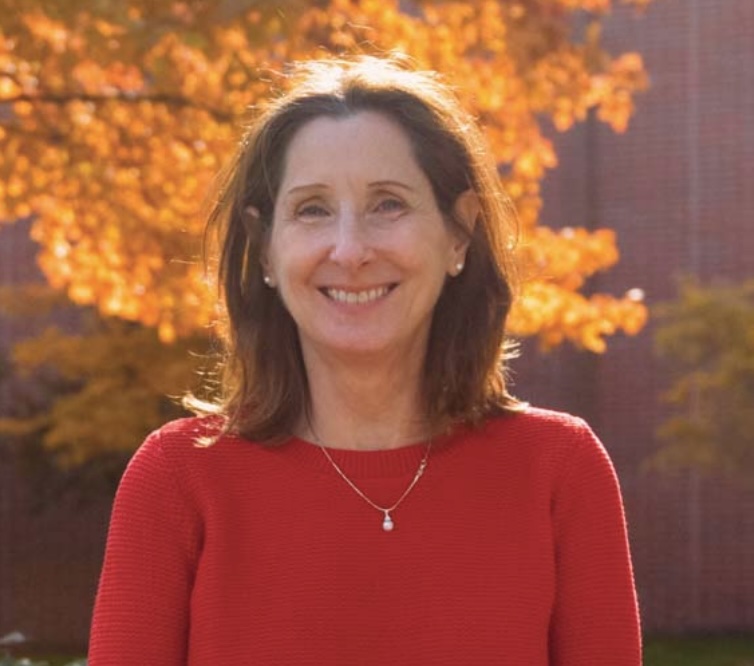
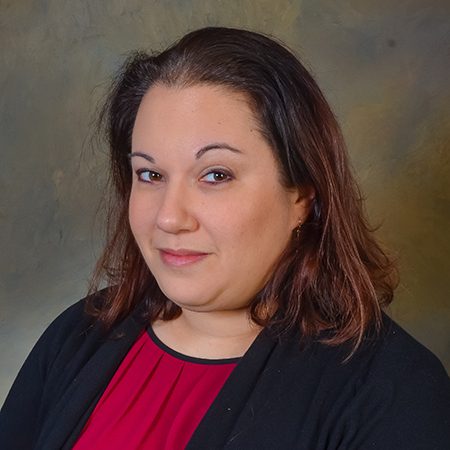
Dorsey and Waldvogel are just two names. More than 70 faculty members from 61 ABA programs across the country have answered the same kind of questions for us, the ones prospective students actually ask about coursework, fieldwork, and where a degree really leads.
Click through to see each person’s listed faculty page.






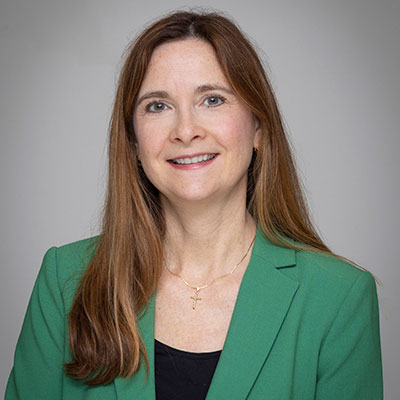
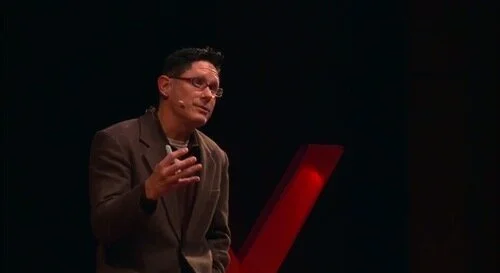
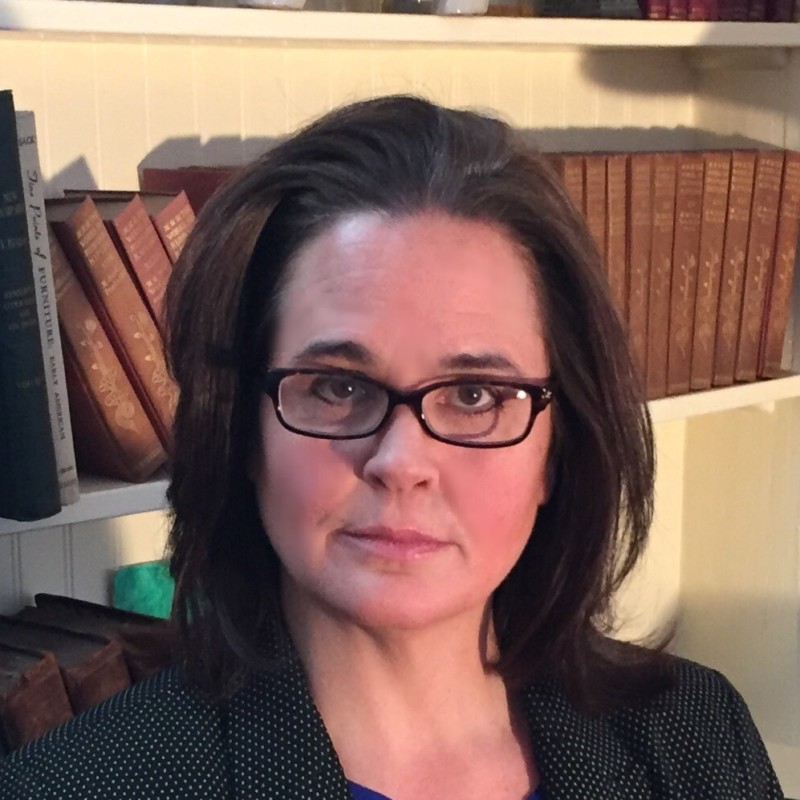
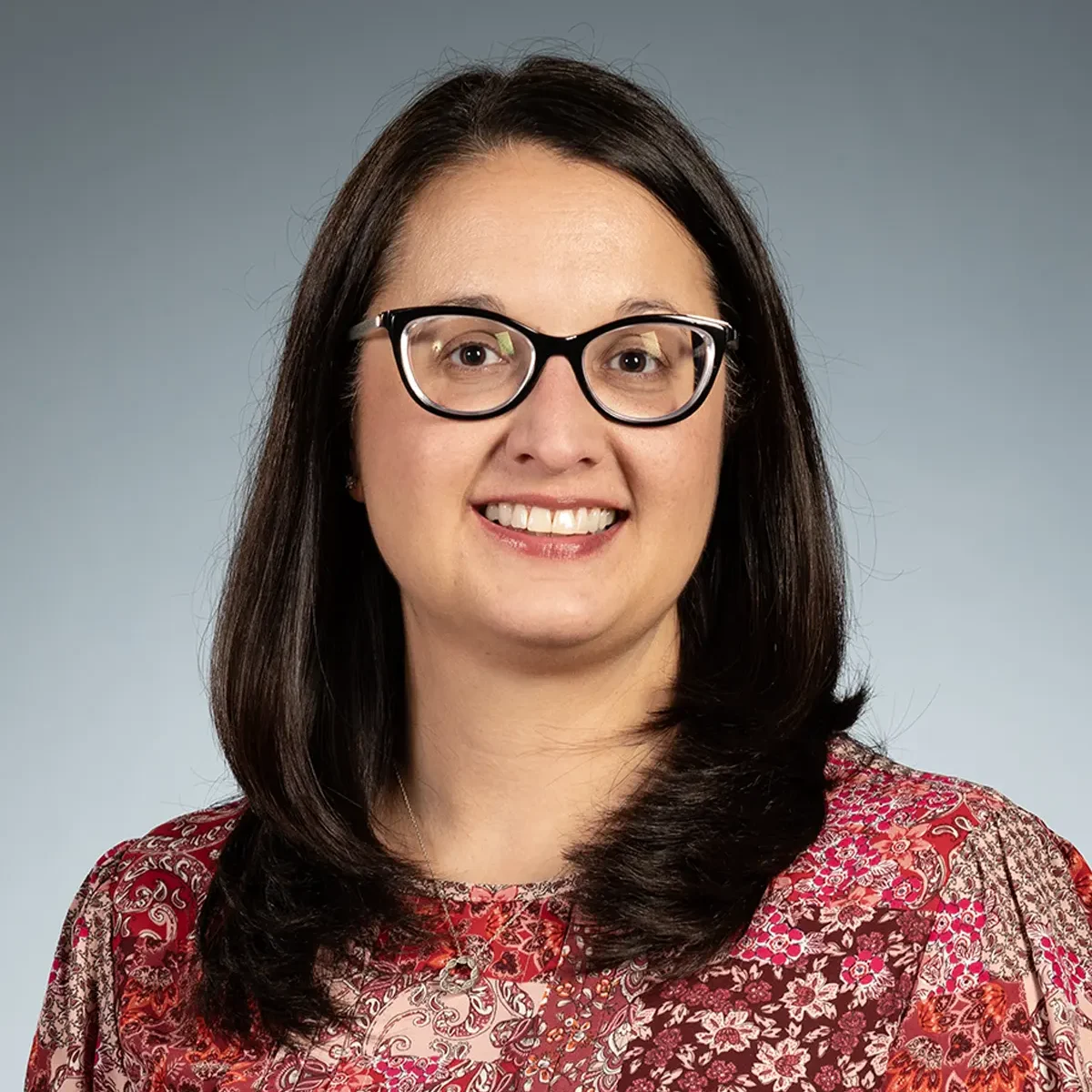
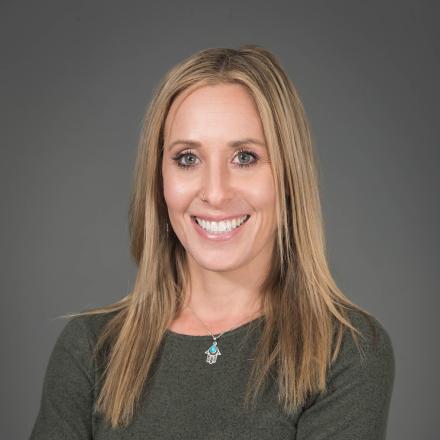
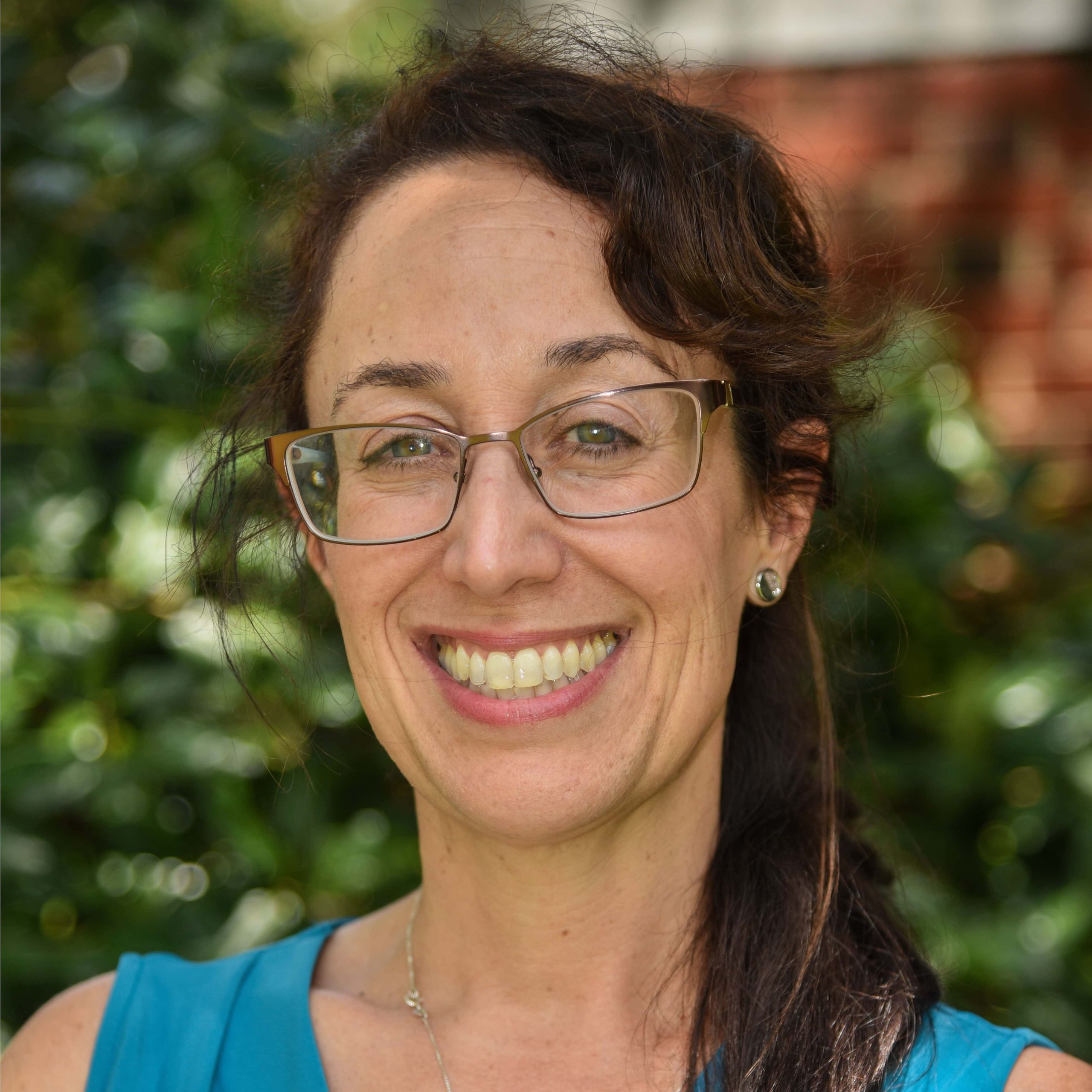
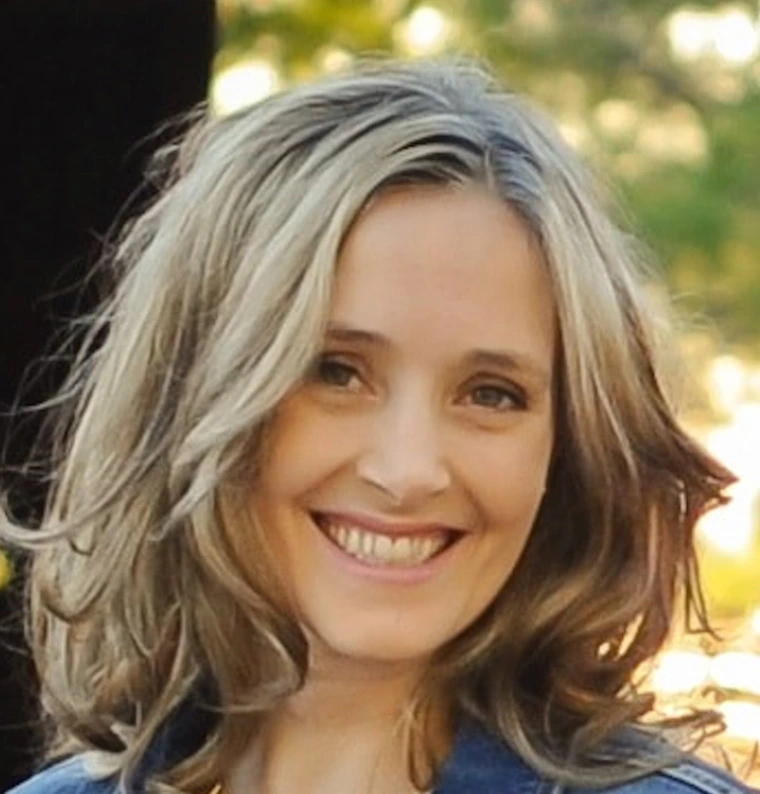

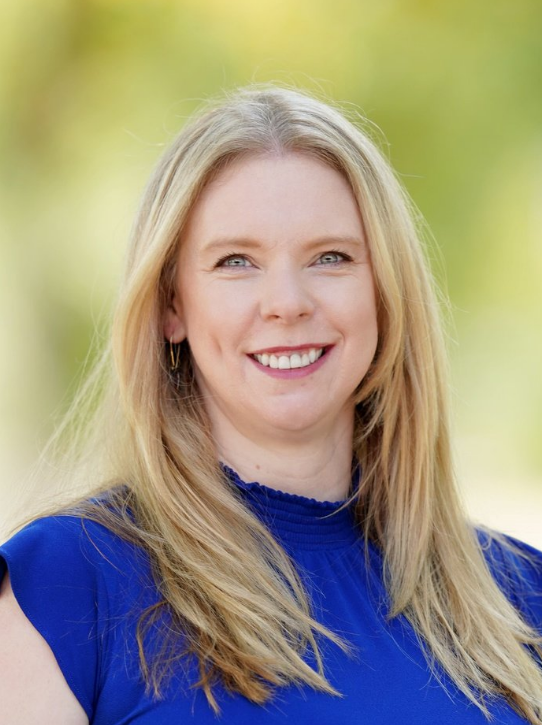


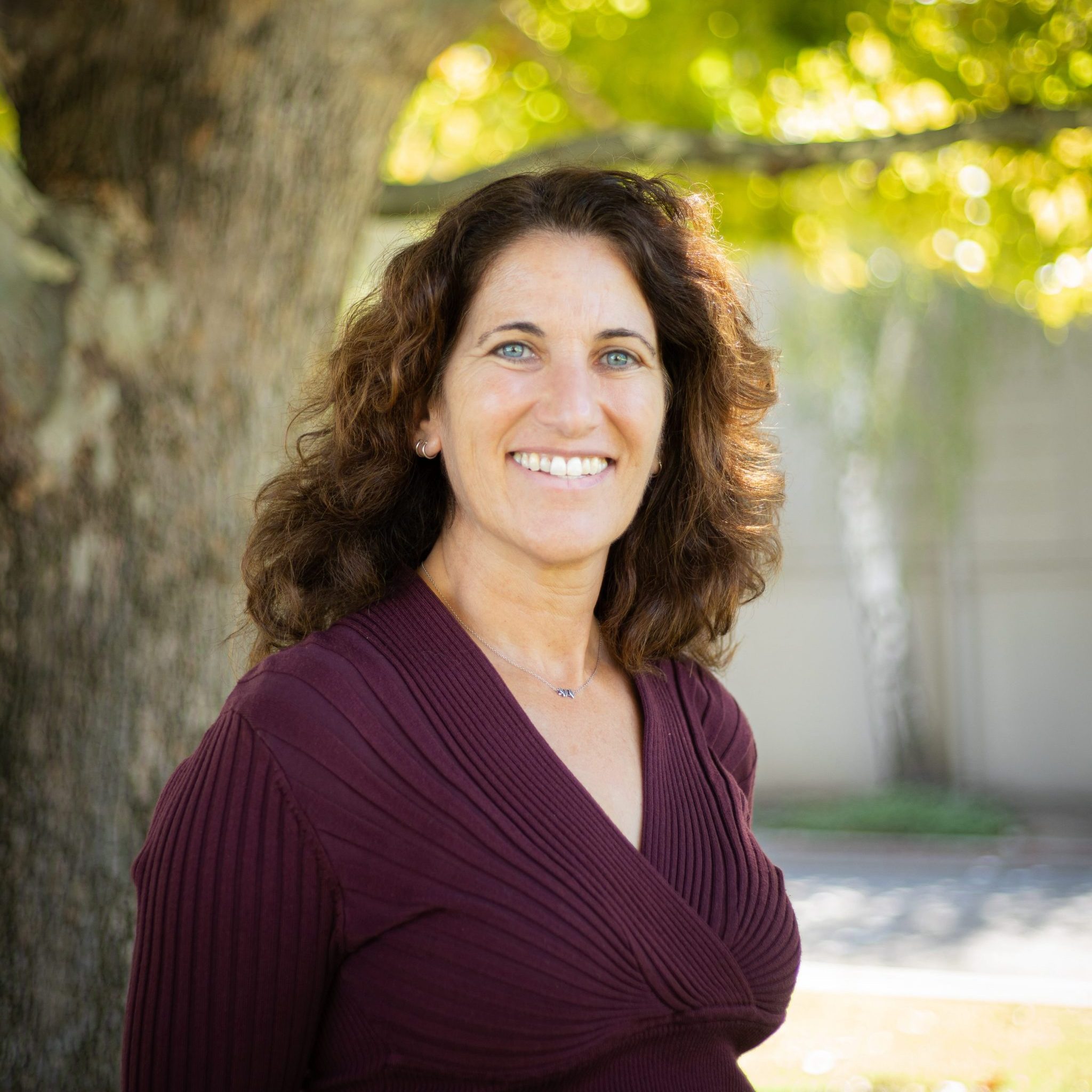

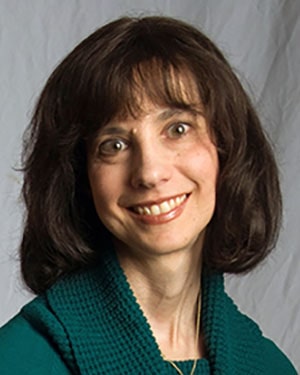
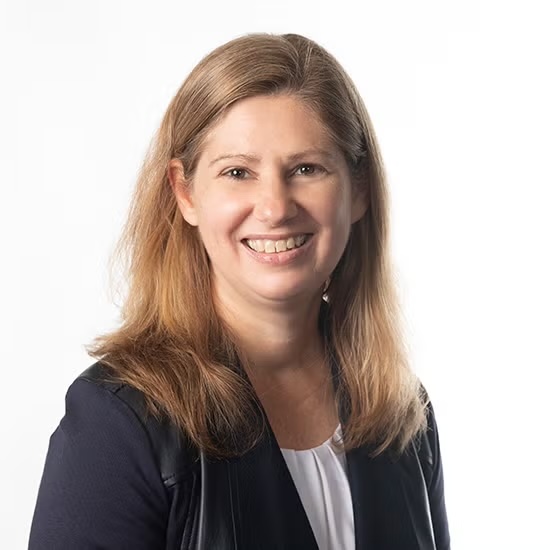






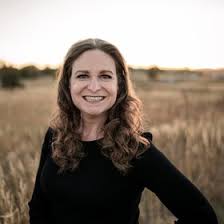
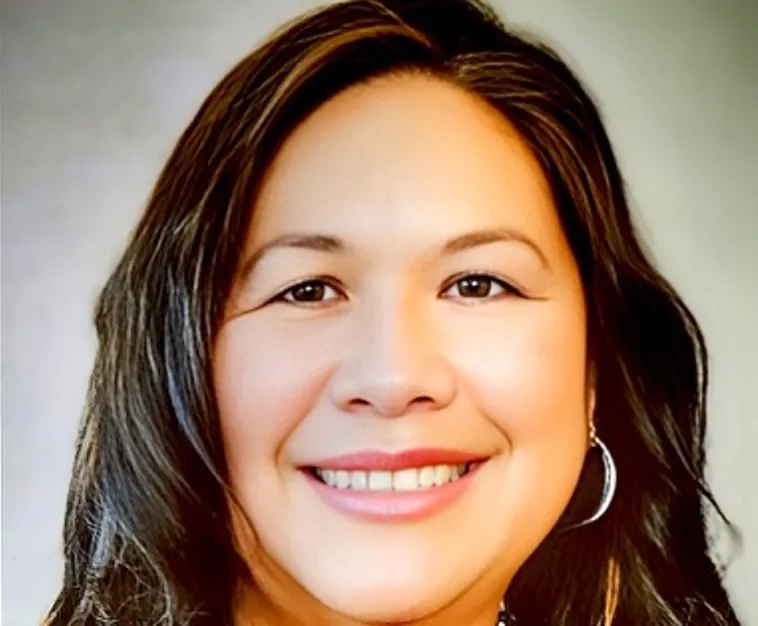

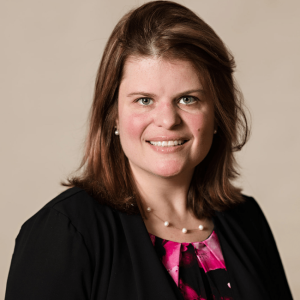
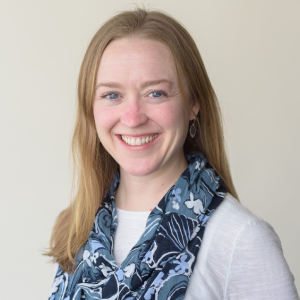

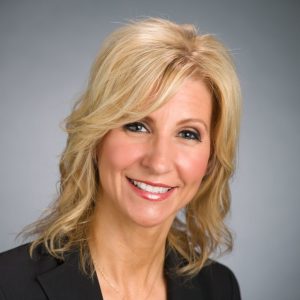
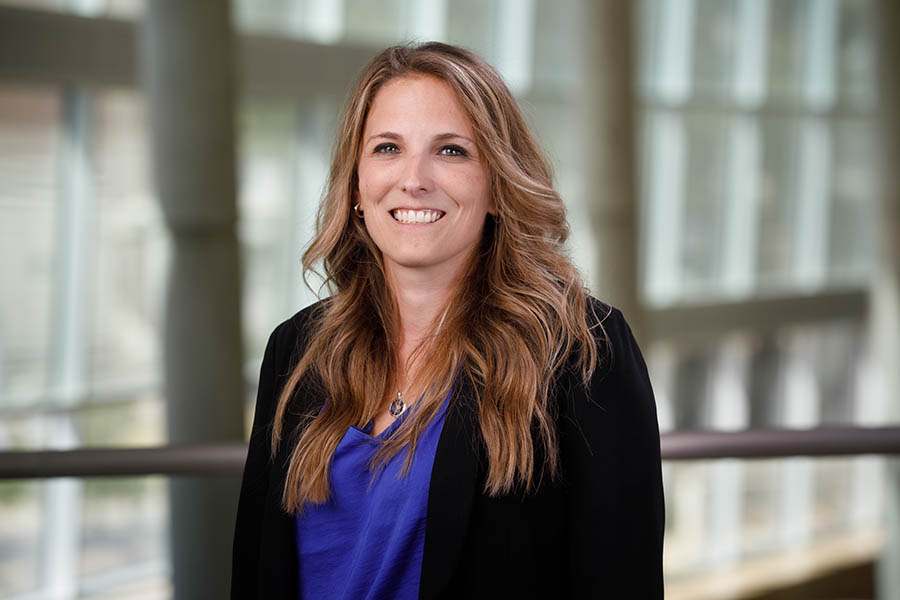




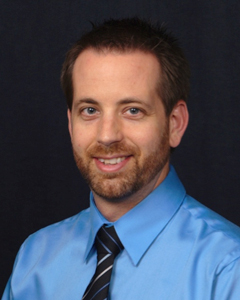

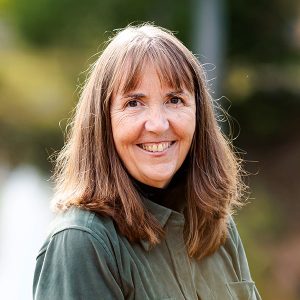


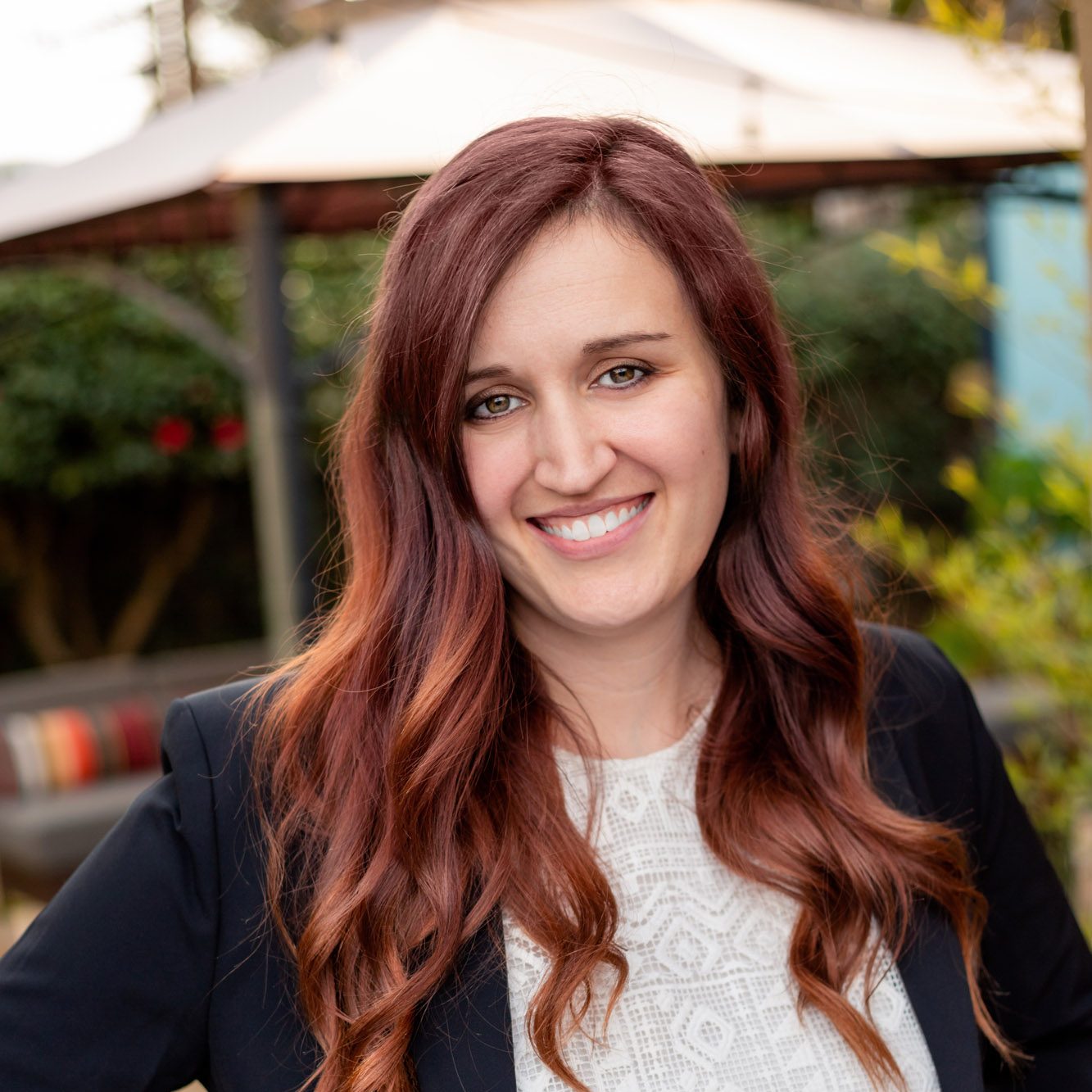

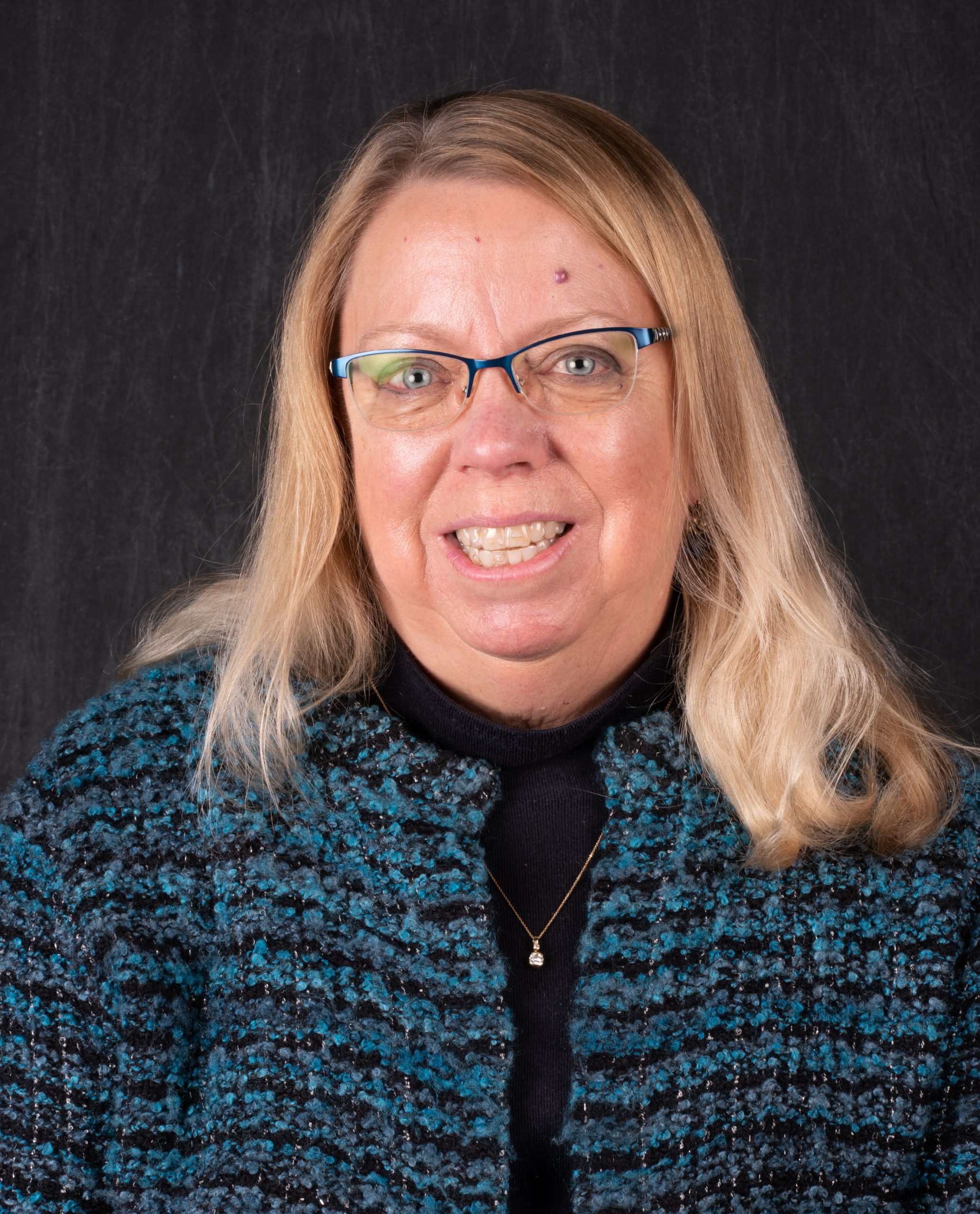

The Writers Who Make It Possible
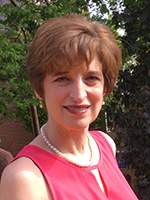
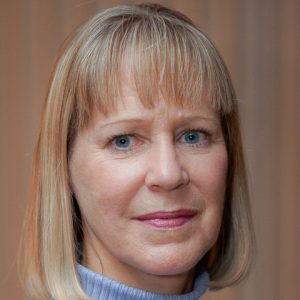
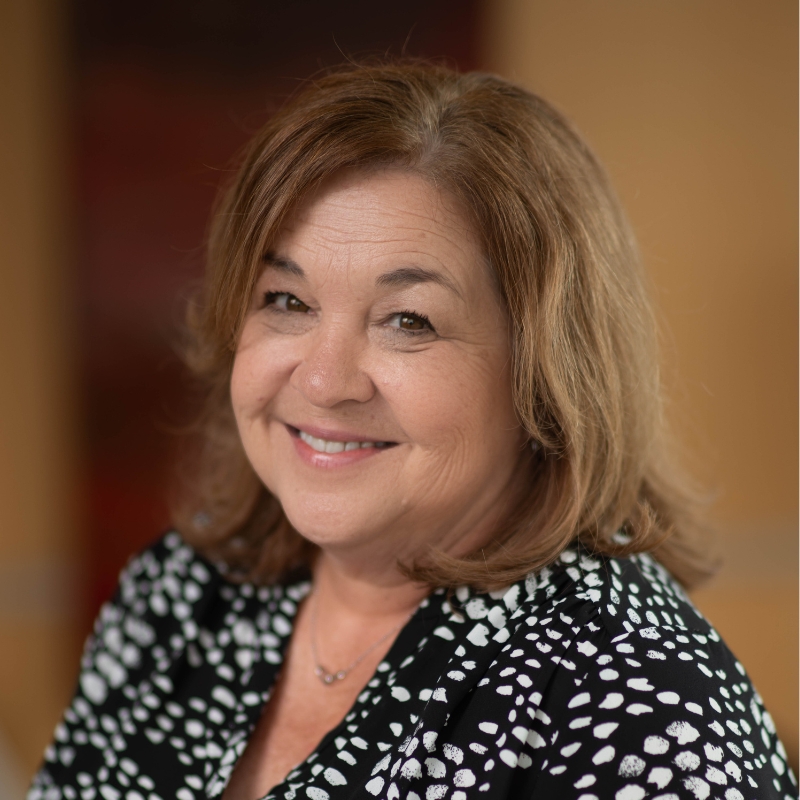
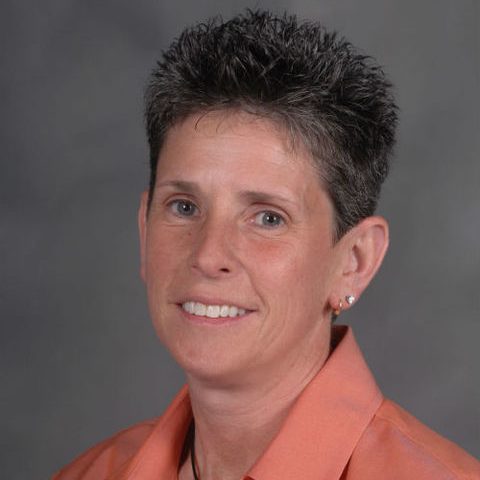
Every guide on AppliedBehaviorAnalysisEDU.org starts with a writer who has to translate all of it- the research, the regulations, the professor interviews- into something someone can actually use while deciding their next step. That’s a harder job than it sounds. The team behind AppliedBehaviorAnalysisEDU.org has been doing it since 2016, and most of them came to ABA and healthcare writing through their own personal or professional path into the field, not by assignment.
Amy Barnard
Amy has worked in the non-profit and copywriting arenas since 2001. Her personal experience with individuals on the autism spectrum sparked a journey of research and learning that informs everything she writes about ABA. She holds a BS in English-Writing.
Dr. Helga George
Dr. George spent several years writing about higher education, healthcare, and psychology after a research career in plant biology. She holds a BS in Agriculture from Cornell University, an MS in Plant Pathology from UMass Amherst, and a PhD in Plant Pathology from Cornell, and conducted postdoctoral research at UC Santa Barbara with USDA grant funding.
Laura Wrede
Laura is an author, artist, and photographer based in the San Francisco Bay Area. She holds a BS in Leadership and a BS in Theology, and has been writing for print and online publications since 2007.
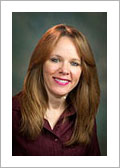
Sandra Meyer
Sandra graduated summa cum laude with a degree in English from NYIT and has worked as a freelance writer since 2009, specializing in blogs, content articles, and business profiles.

Scott Wilson
Scott is an author and IT consultant based in the Pacific Northwest. He holds a BA in English from the University of Washington and has spent more than 20 years in information technology, which has given him a sharp eye for clear, precise writing.

Hannah Coffman
Hannah is a writer and grant writing consultant with a BA in English. She’s developed online content covering real estate, fundraising, education, and healthcare over the past several years.
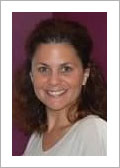
Rebecca Turley
Rebecca is a full-time writer and editor with a BA in Journalism and Communications. Throughout her career, she’s contributed to high-profile websites and blogs covering education, healthcare, and psychology.
What You’ll Find Here
This site covers the full spectrum of ABA education and career pathways:
Our Editorial Standards
We don’t summarize secondary sources and call it research. Every certification and licensure claim on AppliedBehaviorAnalysisEDU.org is checked against the BACB’s own certification handbooks, ABAI’s published standards and accreditation criteria, and state licensing board regulations.
Salary and employment figures come directly from the U.S. Bureau of Labor Statistics’ Occupational Employment and Wage Statistics program, which is tied to broader occupational code categories that include BCBAs, BCaBAs, and RBTs.
Where the research truly conflicts, we say so instead of picking whichever answer reads more cleanly. And when we want a diversity of real perspectives, not just published sources, we go directly to the people who know best: practicing professionals and the faculty members in our interview series, speaking from firsthand experience running their own programs. Their answers appear in our interview series as they gave them.
We revisit content when laws change, when BACB or ABAI standards are updated, or when new information emerges that supersedes old data. If you find something that looks outdated, tell us. Reach us at [email protected].
Everything we publish follows our editorial standards: where our facts come from, how we use AI, and how each article is fact-checked by a person before it’s published.
Find ABA Programs Near You