Children with autism are bullied at significantly higher rates than their neurotypical peers, with some surveys suggesting roughly 60 percent of autistic children experience bullying at some point. You can reduce that risk by working with your child’s school on anti-bullying policies, teaching your child to recognize unsafe situations, building their social skills through ABA-based strategies, and staying in close communication with teachers and staff.


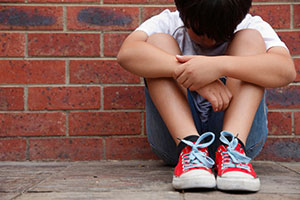
Sheri didn’t know what was wrong with her. She just knew the other kids were calling her stupid. She was only two, but she’d started acting differently at daycare: she didn’t want to talk to the other children and would run away instead of playing. She’d hide behind bushes, listening to the painful insults from the other side.
After a seizure at the playground, a doctor made the diagnosis: Sheri had autism spectrum disorder. It explained why she had no desire to speak or play with other kids her age. But it didn’t make the bullying stop.
For many families, this isn’t a rare experience.
Why Autistic Children Are Targeted More Often
Children with autism face bullying at much higher rates than their neurotypical peers. A survey from the Interactive Autism Network found that around 63 percent of children with ASD reported being bullied at some point. That rate is substantially higher than what is typically reported among neurotypical peers.
It’s not hard to understand why. Autistic children often communicate differently, may struggle with reading social cues, and can respond to frustrating situations in ways that other kids find unusual. These differences make them visible targets.
What’s less commonly discussed is that some autistic children also engage in bullying behavior. Research suggests students with disabilities may be at higher risk both for being victimized and for engaging in bullying behavior, often related to challenges with social communication and impulse regulation. It’s a two-sided problem, and addressing it requires looking at the whole picture.
What Bullying Does to Autistic Kids
Bullying is harmful to any child. For autistic kids, the effects can be especially compounding. Children with ASD are already at elevated risk for anxiety, depression, and difficulties adjusting socially. Being bullied on top of those challenges makes each of them worse.
There’s also a cycle to be aware of. Some children who are bullied go on to bully others. That means an autistic child who’s been victimized may eventually start exhibiting bullying behavior of their own, adding a new set of risk factors to an already difficult situation.
For children doing the bullying, outcomes aren’t good either. Research has linked bullying behavior to higher rates of substance abuse, academic problems, and increased risk of later antisocial behavior.
How Schools Are Changing the Picture
Bullying in general is getting more attention than it did in previous generations, which is good news for autistic students. IDEA requires students with disabilities to be educated in the least restrictive environment possible, which has increased inclusion in general education classrooms in many districts.
That integration has had real benefits. Some research suggests that structured inclusion and peer education programs can reduce bullying by increasing familiarity and understanding. Visibility and familiarity reduce the “othering” that often drives bullying.
That said, integration alone doesn’t solve the problem. Schools still need active anti-bullying policies, trained staff, and clear reporting systems.
Cyberbullying: The Harder-to-Detect Threat
Bullying has also moved online, which creates a whole new set of challenges for parents. Cyberbullying is estimated to account for a significant and growing share of all bullying cases, and it’s far harder for parents and teachers to detect.
Online harassment can be more humiliating than in-person bullying because it’s more visible. A cruel comment in a school hallway is seen by a few kids. The same comment posted online can be seen by an entire grade. For autistic children who already struggle with social rejection, that kind of public shaming can be particularly damaging.
Monitoring your child’s online activity isn’t about surveillance. It’s about staying connected enough to notice when something’s wrong.
Warning Signs to Watch For
Because autistic children often have difficulty communicating distress, bullying can go undetected for a long time. Parents, teachers, and ABA professionals should watch for:
- Unexplained physical injuries
- Lost or damaged belongings such as clothing, books, or devices
- Complaints of illness that result in missed school or activities
- Sudden changes in sleep or eating habits
- Increased anxiety or withdrawal from social situations
- Reluctance to use devices or social media they previously enjoyed
One thing worth knowing: some studies suggest peer-led interventions can be particularly effective in reducing bullying, especially when combined with strong adult oversight. Educating all students about autism and encouraging a school culture of kindness and respect tends to produce better long-term results than reactive responses alone.
What Parents Can Do
You can’t be everywhere, but you can build a support system that helps your child navigate these situations. Here are some practical steps.
Work directly with your child’s school. Meet with teachers and administrators to make sure they understand your child’s specific needs and know how to identify bullying when they see it. Ask about the school’s anti-bullying policy and reporting procedures.
Build social skills through structured support. ABA-based social skills training can help children build tools to navigate social situations and respond more effectively if bullying occurs. This isn’t about making autistic children “fit in.” It’s about giving them tools to protect themselves and communicate when they need help.
Keep the lines open at home. Create a safe space for your child to talk about what’s happening at school and online without fear of overreaction. Some autistic children struggle to report bullying because they fear it will get worse. A calm, consistent response from you makes it more likely they’ll come to you when something happens.
Monitor online activity thoughtfully. Know what platforms your child is using and check in regularly. You don’t need to read every message, but you should have a clear sense of who your child is communicating with and whether anything seems off.
Connect with other families. Parents of autistic children are often the best resource for each other. Organizations like the Autism Society of America and the Autism Science Foundation can connect you with communities and resources.
Frequently Asked Questions
How common is bullying among children with autism?
Research suggests autistic children are bullied at substantially higher rates than neurotypical peers. A survey from the Interactive Autism Network found that around 63 percent of autistic kids reported experiencing bullying at some point. Rates vary across studies depending on methodology and age group, but the pattern of elevated risk is consistent.
Can ABA therapy help protect my child from bullying?
ABA-based social skills training can help children build tools to navigate difficult social situations and respond more effectively if bullying occurs. While it doesn’t eliminate the risk, it can help children recognize unsafe situations, communicate distress to trusted adults, and build confidence to advocate for themselves.
What’s the best way to report bullying at my child’s school?
Start by documenting incidents with dates, descriptions, and any witnesses. Bring that information to your child’s teacher first, then escalate to administration if the behavior continues. If the school doesn’t respond adequately, most states have formal complaint processes through the district or state education agency. Your child’s IEP team can also be an important ally in addressing bullying patterns.
Is cyberbullying different from in-person bullying?
Cyberbullying shares many of the same dynamics as in-person bullying but is often harder to detect and can reach a much wider audience. For autistic children, online harassment can be especially disorienting because the social rules of online interaction are already less intuitive. Keeping an open dialogue about online activity is one of the best preventive measures parents can take.
What if my child is the one doing the bullying?
It happens, and it doesn’t make your child a bad person. Autistic children who exhibit bullying behavior often do so because of challenges with social communication and impulse regulation. ABA therapy can directly address these underlying issues through behavior plans designed with your child’s specific needs in mind.
Key Takeaways
- Elevated risk is well-documented — Some surveys suggest roughly 60 percent of autistic children experience bullying, substantially higher than rates typically reported among neurotypical peers.
- It goes both ways — Autistic kids may be at higher risk both for being bullied and for engaging in bullying behavior, often related to challenges with social communication and impulse regulation.
- Inclusion helps, but isn’t enough — IDEA has increased classroom inclusion in many districts, and some research suggests structured peer education programs can reduce bullying through familiarity and understanding.
- Cyberbullying is harder to see — Online harassment is increasingly common and harder for parents to detect. Open communication and thoughtful monitoring are your best defenses.
- ABA-based skills training makes a difference — Social skills work can help autistic children navigate difficult situations and respond more effectively if bullying occurs.
- Prevention beats reaction — Research suggests long-term prevention is most successful when schools build a culture of respect and educate all students about autism.
Ready to learn more about how ABA supports children with autism? Explore accredited programs that prepare professionals to work with autistic children and their families.