
Resources for ABA Therapists to Create More Inclusive Spaces
ABA therapists working with diverse populations need targeted resources to build inclusive, culturally responsive practices. This guide compiles vetted DEI resources for ABA therapists organized by patient population, including tools for working with patients who have disabilities, women, LGBTQ+ individuals, BIPOC communities, AAPI patients, LatinX families, and veterans.
Applied Behavior Analysis therapy has been practiced for more than half a century, and the discipline has always evolved alongside new understandings of patient needs. In recent years, that evolution has meant a stronger focus on diversity, equity, and inclusion to make ABA degree programs and services accessible to everyone.
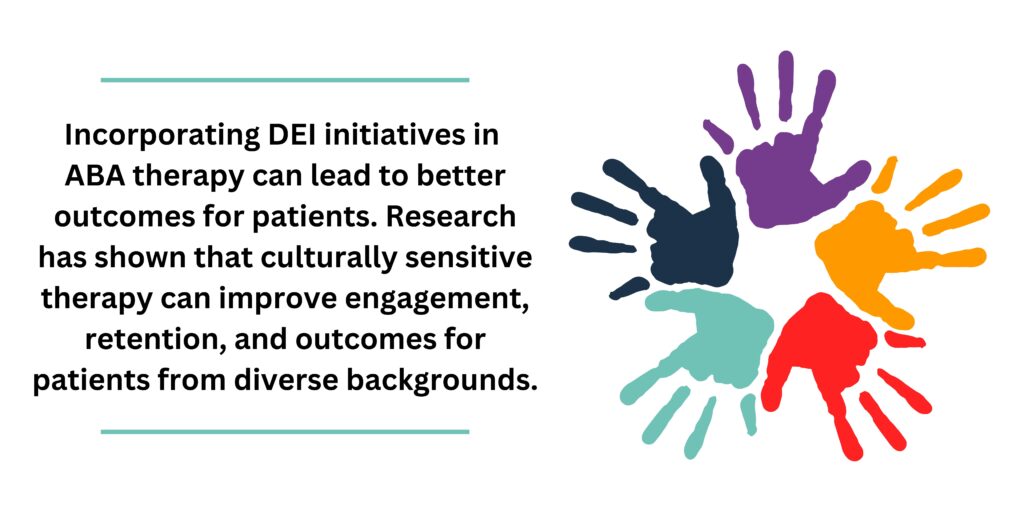
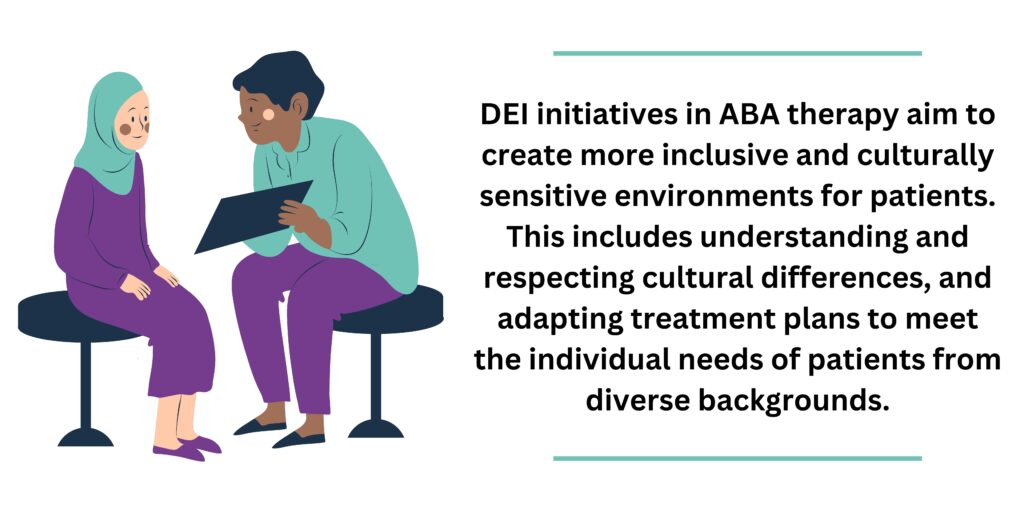
As a clinician, you’ll work with people in vulnerable circumstances. Building trust across a wide range of differences isn’t something you can do by instinct alone. Different communities face different hardships, and understanding those distinctions helps you set up care that’s truly unbiased and affirming. That investment in DEI education is an investment in your clinical practice.
The resources below are organized by patient population to help you build more equitable, welcoming spaces for every client you serve. Some come from the broader mental health field and aren’t ABA-specific, but all are relevant and applicable to ABA practice.
Those with Disabilities
This resource explains how people with disabilities can access ABA therapy. It’s a useful resource for practitioners advising patients on finding affordable, accessible care.
REPORT: Quality of Life for People with Disabilities
Written by Research and Practice for Persons with Severe Disabilities, this report is designed specifically for ABA practitioners working with clients with physical disabilities.
Women
Agenda Alliance: Women’s Mental Health Facts
Agenda Alliance is a nonprofit focused on mental health services for at-risk women. Their fact sheet gives practitioners data-driven analysis of the key issues facing underserved women.
American Psychiatric Association
This APA guide is a primer for mental health professionals supporting female patients. It covers best practices and key mental health facts for women.
National Institute of Mental Health: Women and Mental Health
This NIMH guide outlines the unique aspects of women’s mental health that practitioners need to know. It includes articles, videos, and a directory of supportive organizations.
Office on Women’s Health (OASH)
OASH is a government organization that promotes women’s health, including mental health. This resource outlines the most important ways therapists and counselors can meet women’s needs.
Substance Abuse and Mental Health Services Administration (SAMHSA)
This SAMHSA index includes a World Health Organization report on gender and mental health, covering gender disparities, bias, and women’s specific care needs.
LGBTQ+
This APA guide helps therapists, including ABA counselors, understand key mental health issues for transgender and gender non-conforming patients and how to create a bias-free environment.
The Center for LGBTQ Evidence-based Applied Research
CLEAR is a University of Palo Alto research institute providing resources and issue-based training for mental health professionals, including ABA therapists, who work with LGBTQ+ patients.
Journal of LGBTQ+ Issues in Counseling
Sponsored by the American Counseling Association, this annual journal features research on therapy modalities to help clinicians better support LGBTQ+ clients.
The Trevor Project provides mental health resources for LGBTQIA+ individuals, especially young people. Their articles help ABA therapists provide supportive, gender-affirming services.
Society for Sexual, Affectional, Intersex, and Gender Expansive Identities (SAIGE)
SAIGE helps ABA counselors and mental health professionals support LGBTQIA+ patients through educational materials, podcasts, and advocacy resources.
BIPOC
Behavioral Health Center of Excellence (BHCOE)
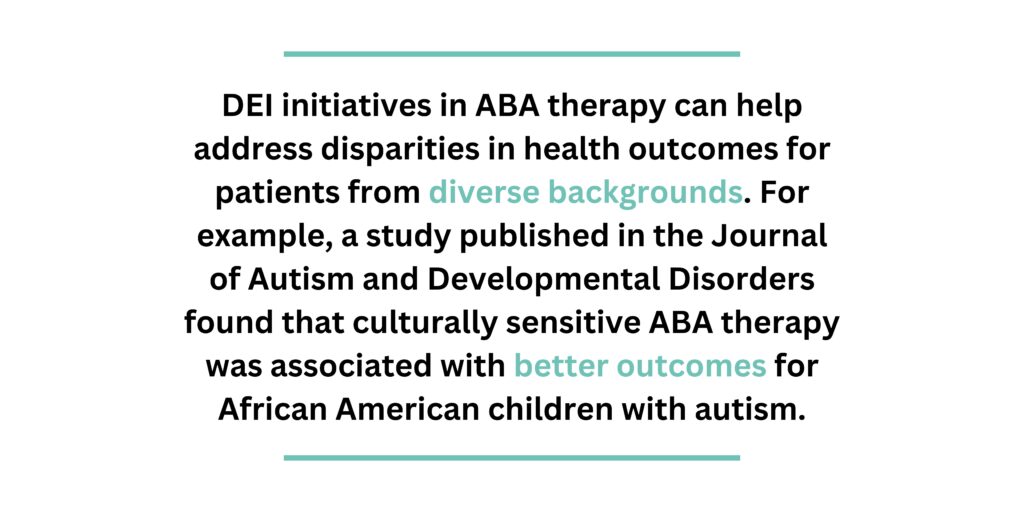
This BHCOE guide covers best practices for supporting patients of color and running an equitable practice. Their resources include guidelines for self-assessment.
International Society for Autism Research (INSAR)
INSAR provides autism research for ABA professionals. Their anti-racist resources include materials to help therapists create safe, supportive environments for BIPOC patients.
MSU Autism Lab: Anti-Black Racism Resources for Autism Clinicians
This Michigan State University program focuses on improving mental health services for BIPOC individuals living with autism. It’s designed specifically for ABA therapists seeking practical tools.
National Indian Child Welfare Association (NICWA)
NICWA supports Native American youth across a range of needs, including mental health. Their offerings for providers include training programs, fact sheets, and a six-week course for those specializing in indigenous communities.
PrioritiesABA: Structural Racism and Its Impact on ABA
This article series identifies underlying factors that have hindered the provision of supportive ABA services to BIPOC patients and proposes strategies to combat bias in clinical practice.
AAPI
This index organizes resources by topic to help practitioners expand their services for AAPI patients, especially youth. It includes links on racial trauma and a guide to support groups.
Asian Americans Advancing Justice
AAAJ provides legal advocacy and community empowerment for AAPI individuals, including educational materials to help mental health professionals better support AAPI clients.
The Asian American Psychological Association (AAPA)
AAPA supports AAPI mental health professionals and helps therapists provide thoughtful care to AAPI patients. Their website includes the Asian American Journal of Psychology with both theoretical and practice-oriented resources.
Association of Asian Pacific Community Health Organizations
AAPCHO provides resources for community-based health care providers serving AAPI individuals, with a focus on mental health services and tools for supporting low-income clients.
National Asian American Pacific Islander Mental Health Association
NAAPIMHA supports mental health providers and advocates for AAPI mental health through advocacy campaigns, trainings, webinars, and more.
LatinX
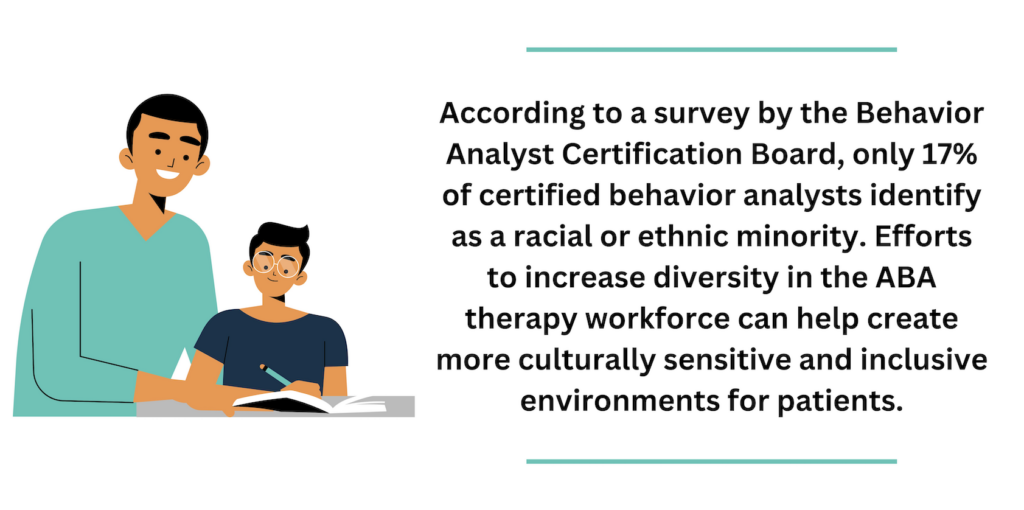
According to 2023 data from the Behavior Analyst Certification Board, approximately 17% of certified behavior analysts identify as a racial or ethnic minority, based on self-reported demographic data. Resources like those below help address that gap by equipping practitioners to better serve LatinX patients.
Latino Association for Behavior Analysis (ABA)
This organization works to make behavioral analysis more equitable for LatinX patients and practitioners alike, hosting educational and network-building events to support the LatinX community in the counseling field.
National Alliance on Mental Illness (NAMI): Compartiendo Esperanza
This NAMI resource provides data-driven statistics on barriers to mental health care for LatinX individuals and families, plus an index of additional resources for counselors and therapists.
SAMHSA’s resources include national surveys, issue briefs, public initiatives, and bilingual materials for Spanish speakers and English language learners.
National Alliance for Hispanic Health
The NAHH website helps mental health professionals understand access issues for LatinX communities and develop more culturally responsive approaches as a provider.
This organization supports LatinX individuals seeking therapy and provides resources for mental health professionals, including book recommendations and guidance on mental health screenings.
Veterans and Active Duty
Autism Speaks: Support for Military Families
This resource features a research report from the Organization for Autism Research and the Southwest Autism Research and Resource Center, along with links to tools clinicians can use to support military patients and their families.
While designed for military families, this resource includes ABA therapy guidelines for military members that are valuable for mental health care providers.
Frequently Asked Questions
What does DEI mean in ABA therapy?
DEI stands for diversity, equity, and inclusion. In ABA therapy, it refers to practices that make services accessible and culturally responsive to patients of all backgrounds, including those from historically underserved communities.
Why is cultural competence important for ABA therapists?
ABA therapists work with patients under vulnerable circumstances. Cultural competence helps clinicians build trust, understand the unique challenges different communities face, and deliver care that’s more effective and tailored rather than one-size-fits-all.
How can ABA therapists become more culturally responsive?
ABA therapists can pursue continuing education on DEI topics, seek out community-specific training resources, and engage with professional organizations focused on underserved populations. Part of that professional development includes becoming a Board Certified Behavior Analyst and regularly auditing your own practices for unintentional bias.
Are there DEI resources specifically designed for ABA practitioners?
Yes. Organizations such as the Behavioral Health Center of Excellence, the Latino Association for Behavior Analysis, and CLEAR at Palo Alto University offer materials specifically designed for ABA therapists and board-certified behavior analysts.
Key Takeaways
- Good intentions aren’t enough — creating an inclusive ABA practice requires intentional, ongoing education.
- DEI resources exist for nearly every population — from BIPOC and LGBTQ+ communities to veterans and those with disabilities.
- The representation gap is real — according to 2023 BACB data, approximately 17% of certified behavior analysts identify as a racial or ethnic minority, making culturally responsive tools even more important.
- Free, evidence-based resources are available — professional organizations such as SAMHSA, NAMI, and the APA offer materials for ABA therapists at every career stage.
- Building equity is an ongoing process — not a one-time training or checklist.
Ready to build a more inclusive ABA practice? Explore degree programs that emphasize culturally responsive care and prepare you to serve every client well.