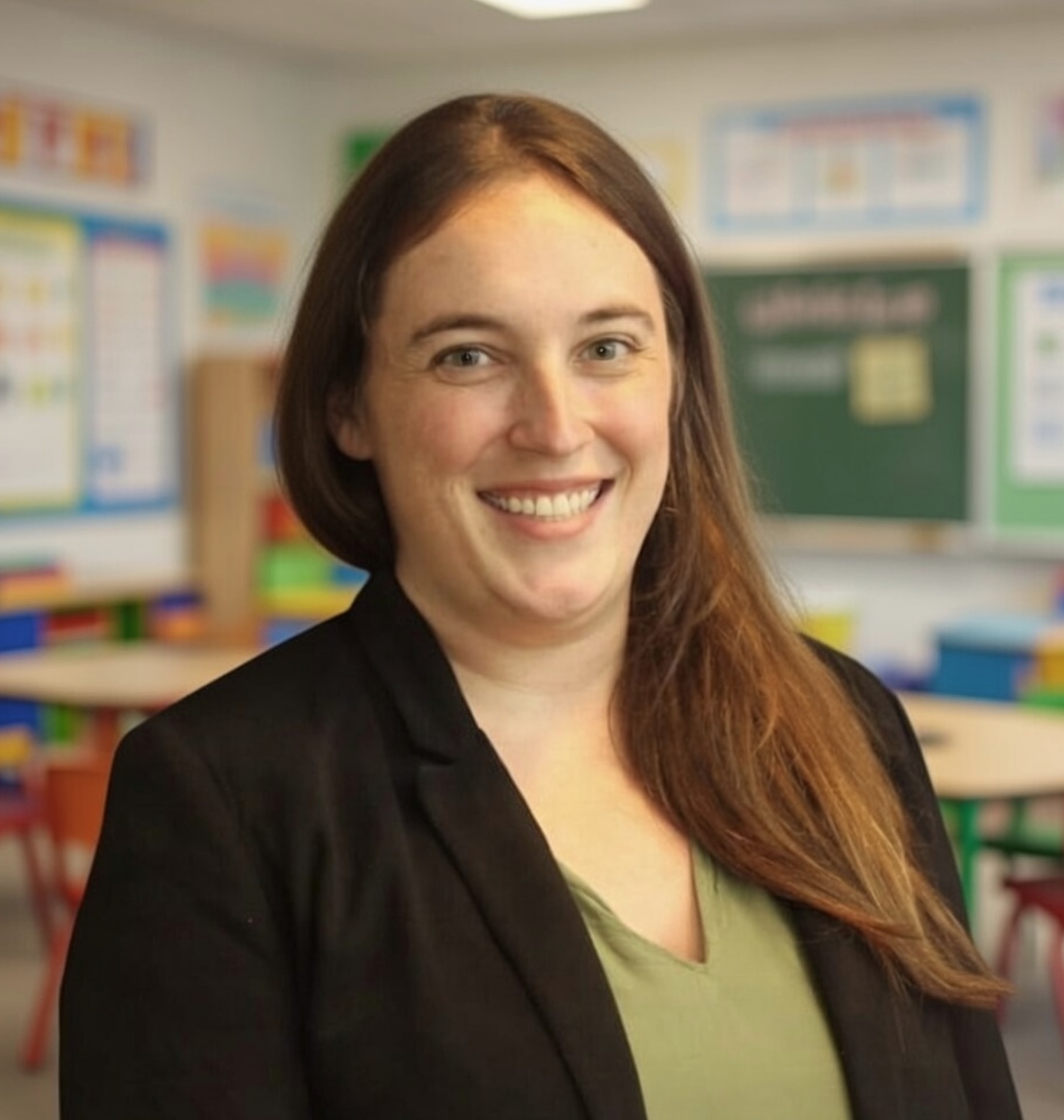
If you’ve been through addiction and found your way to the other side, that experience isn’t just personal. It’s professional. Alcohol and drug peer support specialists use their own recovery journey to guide others through the process. Most positions require a high school diploma and one to two years of stable recovery, and many states offer official certification to formalize the role.


There’s something powerful about being helped by someone who’s been exactly where you are. That’s the idea behind peer support in addiction recovery, and it’s why alcohol and drug peer support specialists have become such a valued part of the behavioral health workforce.
If you’re in stable recovery and looking for a way to turn that experience into meaningful work, this role might be exactly what you’ve been looking for. Here’s what the job involves, how to get certified, and what you can expect to earn.
What Does an Alcohol and Drug Peer Support Specialist Do?
Peer support specialists, sometimes called peer recovery supporters, are people in stable recovery who provide mentoring, coaching, and practical support to others working to get sober. The key word is “peer.” You’ve been there. That shared experience is the foundation of everything you do in this role.
The Substance Abuse and Mental Health Services Administration (SAMHSA) describes peer recovery services as embodying “a powerful message of hope.” Research backs that up. People in recovery who have peer support tend to stay engaged in treatment longer and report higher confidence in their ability to maintain sobriety.
Day-to-Day Responsibilities
The specifics of this job can look different depending on the setting: a community recovery center, a hospital, a nonprofit, or a residential treatment facility. But most peer support specialists spend their days doing some combination of the following: developing individualized recovery action plans with clients, providing one-on-one mentoring, leading group support sessions, and helping people navigate the practical side of recovery.
That last part is often underappreciated. Getting sober isn’t just about stopping drug use. It’s about rebuilding a life. Peer support specialists help clients find sober housing, connect with job training and placement programs, access social services, and participate in leisure and recreational activities that support long-term wellbeing.
How Peer Support Connects to ABA
If you’re coming from an ABA background, the connection here is real. Applied behavior analysis provides a strong framework for understanding behavior change, reinforcement, and the environmental factors that sustain recovery. Peer support specialists who understand ABA principles are better equipped to help clients identify triggers, set behavioral goals, and develop the skills they need to maintain sobriety. Our page on Applied Behavior Analysis in Treating Alcohol and Drug Abuse goes deeper on this intersection.
How to Become a Peer Support Specialist
The entry bar for this role is intentionally accessible. Most employers require a high school diploma and at least one to two years of stable recovery, though it’s worth noting that “stable recovery” isn’t defined uniformly across programs. Most require one to two years, but some employers or states ask for more. Requirements also vary by setting, so it’s worth confirming expectations with specific employers before you apply.
Some positions prefer candidates with a bachelor’s degree in a human services field, such as psychology, social work, or counseling, but it’s rarely a hard requirement. Training programs specific to peer support are widely available through state agencies, nonprofits, and private organizations, and many of them are free.
State Certification
Most states now offer some form of certification for peer support recovery specialists, though the requirements vary widely. In some states, certification is required to work in certain settings. Medicaid reimbursement eligibility for peer support services also varies by state. If billing Medicaid is part of your plan, check directly with your state’s Medicaid agency for current requirements.
Two well-established state programs give a good sense of what this process typically looks like.
In Ohio, specialists must earn the Ohio Peer Recovery Supporter certification through the Department of Mental Health and Addiction Services. The process requires completion of mandatory in-person training. Experience alone does not waive this requirement. From there, candidates complete 16 hours of online Academy coursework covering ethics, human trafficking, and trauma-informed care, pass the OhioMHAS Peer Recovery Services exam, and clear a Bureau of Criminal Investigations background check.
In Virginia, the Certified Peer Recovery Specialist (CPRS) credential is administered through the Virginia Peer Recovery Specialist Network (VACPRSN) in coordination with DBHDS-endorsed training providers. It’s not legally required to work in the field, but many employers expect it. To earn the CPRS, you’ll complete training through a DBHDS-endorsed program and accumulate at least 500 hours of volunteer or paid peer support experience. Training hour requirements are set by the endorsed program you choose, so confirm specifics with your chosen provider.
Requirements in your state will differ. SAMHSA maintains a searchable database through the Copeland Center that lets you look up state-specific certification requirements, training programs, and credentialing bodies. It’s worth checking before you commit to any particular training path.
National Certification: The NCPRSS
For those who want a credential that travels with them regardless of state, the National Certified Peer Recovery Support Specialist (NCPRSS) through the Association for Addiction Professionals (NAADAC) is the most widely recognized national option.
To qualify, you’ll need a high school diploma and at least two years of personal recovery. From there, the credential requires at least 200 hours of direct practice in a peer recovery support environment (paid or volunteer) and at least 250 hours of education and training. That training must cover documentation, case management, crisis response, substance abuse screening, cultural awareness, and basic pharmacology, including 6 hours of ethics and 6 hours of HIV/pathogen training, both completed within the last 6 years. The process wraps up with two professional references and a passing score on the NCPRSS exam.
Salary and Job Outlook for Peer Support Specialists
Salary data for peer support specialists can be tricky to pin down because the role falls into a broader BLS occupational category. The Bureau of Labor Statistics groups these professionals under Substance Abuse, Behavioral Disorder, and Mental Health Counselors (SOC 21-1018).
As of May 2024, the national figures for this category were:
- 10th percentile: [BLS DATA — national 10th percentile annual wage]
- 25th percentile: [BLS DATA — national 25th percentile annual wage]
- Median (50th percentile): [BLS DATA — national median annual wage]
- 75th percentile: [BLS DATA — national 75th percentile annual wage]
- 90th percentile: [BLS DATA — national 90th percentile annual wage]
Keep in mind that peer support specialists tend to earn on the lower end of this range compared to fully licensed counselors. As the field professionalizes and more states formalize certification, compensation is trending upward.
The highest-paying states for this occupational group as of May 2024 were:
[BLS DATA — top 5 states by mean annual wage, with wage figures]
On the job growth side, employment in this field is projected to grow significantly over the coming decade, driven by ongoing demand for addiction and mental health services nationwide. For a broader look at career options in behavioral health, our ABA Careers page is a good place to explore.
Frequently Asked Questions
Do I need a degree to become a peer support specialist?
Not in most cases. Most employers require a high school diploma and documented recovery time of 1 to 2 years, though some programs ask for more. A degree in psychology, social work, or human services can help you stand out, but it’s rarely a hard requirement for entry-level positions.
What’s the difference between a peer support specialist and a substance abuse counselor?
The biggest difference is the requirement for lived experience. Peer support specialists draw on their own recovery journey as the foundation for the work. Substance abuse counselors typically hold graduate-level degrees and are licensed to provide clinical treatment. The roles often overlap within treatment teams, but they’re distinct career paths with different entry requirements and compensation levels.
Is the NCPRSS credential worth pursuing?
If you want to work across state lines or advance into supervisory or leadership roles within peer recovery, yes. The NCPRSS is the most portable national credential in this field and signals a serious commitment to professional standards. For early-career specialists, a state credential is often enough to get started.
How does peer support connect to applied behavior analysis?
ABA and peer support share a common goal: helping people build and sustain healthier behavior patterns. Many peer support specialists work within behavioral health programs that use ABA principles, and professionals with backgrounds in both areas bring strong analytical skills to guiding clients through recovery.
Can I do this work as a volunteer before pursuing certification?
Yes, and it’s often a requirement. Several certification programs, including the NCPRSS, count volunteer hours toward the direct practice requirement. Volunteering at a peer-run recovery center or nonprofit is a practical way to build hours, get mentoring, and confirm the work is a good fit before you pursue formal credentials.
Key Takeaways
- Peer support specialists use their own recovery experience as the foundation for helping others. Lived experience is a professional qualification, not just a personal story.
- Most positions require a high school diploma and one to two years of stable recovery, though definitions and minimums vary by program and employer. Many states offer official certification that can expand your job options and, in some cases, make your services Medicaid-reimbursable. Confirm billing eligibility with your state’s Medicaid agency.
- The NCPRSS through NAADAC requires 200 hours of direct practice and 250 hours of education and training, plus a passing exam. It’s the most portable national credential in this field.
- Salary data for peer support specialists falls within the broader BLS category for Substance Abuse, Behavioral Disorder, and Mental Health Counselors. Compensation varies by setting, location, and level of certification.
- The field is growing, driven by sustained demand for addiction and mental health services across the country.
Ready to take the next step in behavioral health?
2024 US Bureau of Labor Statistics salary and employment figures for Substance Abuse, Behavioral Disorder, and Mental Health Counselors reflect state and national data, not school-specific information. Note: ABA/BCBA roles are included in this broader BLS category, and actual salaries for these professionals are frequently higher. ABA salaries can vary based on experience, location, and setting. Data accessed February 2026.