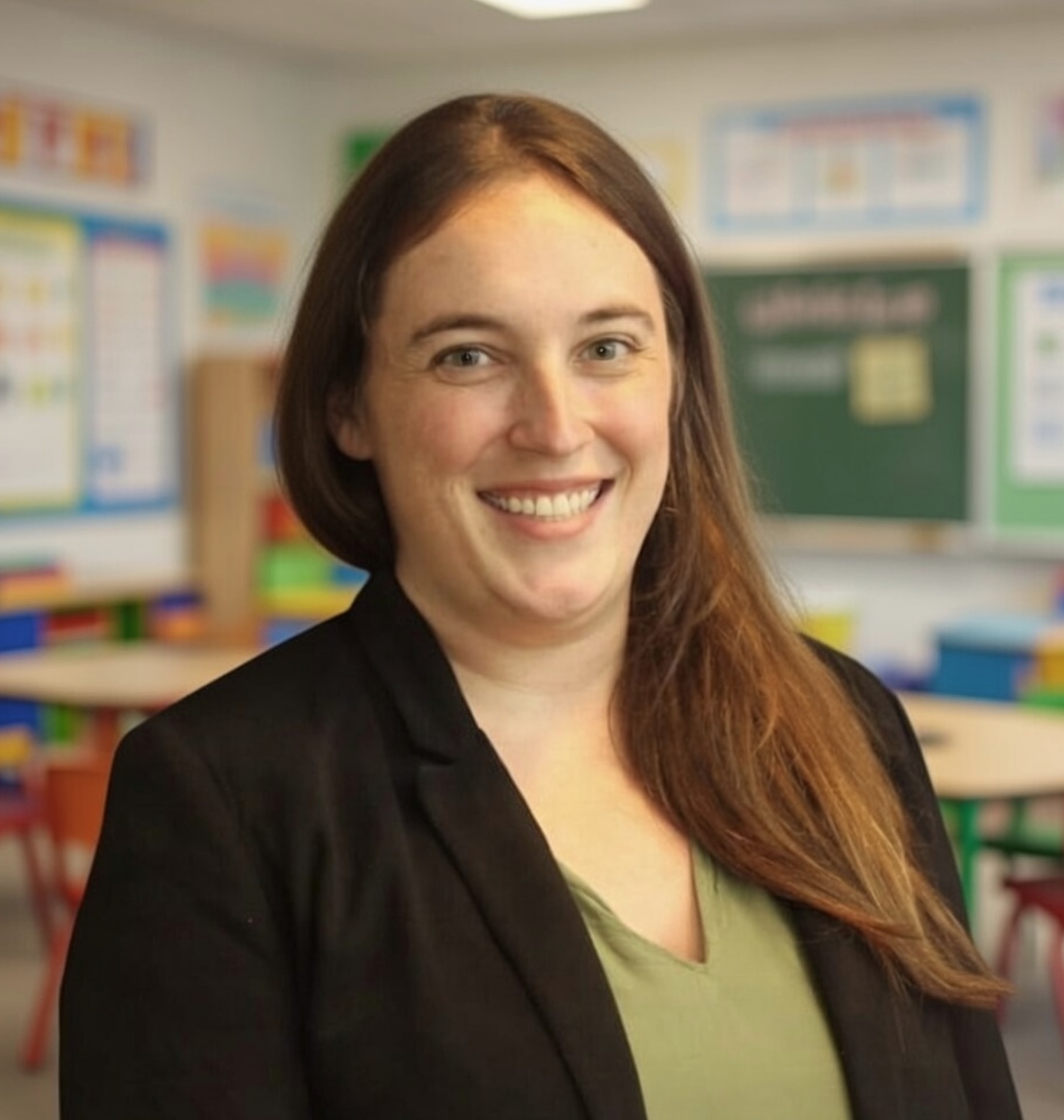
Domestic violence counselors are licensed mental health professionals who provide support and recovery services to survivors of abuse. They typically hold a master’s degree in social work, counseling, or a related field, and must meet state licensing requirements. ABA-informed techniques are sometimes incorporated into this work to help survivors identify and replace maladaptive behavioral patterns. As of May 2024, the national median salary for counselors in this field was $59,190.


Domestic violence touches the lives of millions of Americans every year. According to the National Domestic Violence Hotline (2023), more than 12 million people in the U.S. are victims of rape, physical violence, or stalking by an intimate partner annually. And the impact doesn’t stop with the primary victim. Children witness violence in roughly 22% of intimate partner violence cases filed in state courts, according to court data analyses, and among victims of child abuse, 40% report domestic violence in the home.
The scope is significant. And it’s why domestic violence counselors play such a critical role in the mental health and human services landscape.
If you’re exploring this career path, or wondering how ABA connects to this work, this guide covers the key information you need: what the job looks like, how to get there, and what you can expect to earn.
What Is Domestic Violence?
Domestic violence, also called intimate partner violence, is broader than many people realize. While it’s often associated with physical harm between partners, it includes any pattern of behavior meant to frighten, intimidate, control, or demean someone in a domestic or intimate relationship. That includes relationships between married couples, dating partners, cohabiting adults, and, in some cases, family members sharing a household.
The forms it takes vary widely. Physical abuse includes hitting, kicking, slapping, and restraining. Emotional abuse involves criticism, name-calling, isolation, and deliberate humiliation. Sexual abuse encompasses forced acts and demeaning treatment. Psychological abuse relies on threats, whether against the victim, their children, their pets, or even threats of self-harm, to maintain control. Financial abuse restricts access to money or resources, limiting a victim’s ability to leave.
Domestic violence can happen to anyone, regardless of gender, age, race, religion, or sexual orientation. In LGBTQ+ relationships, it can take the form of threatening to “out” a partner. With disabled individuals, it may mean withholding medications or assistive devices. In older adult households, it can look like neglect or financial exploitation.
No matter how it presents, the cycle of abuse rarely stops on its own. That’s why counseling is such a critical part of recovery.
What Does a Domestic Violence Counselor Do?
Domestic violence counselors are trained mental health professionals who help survivors process trauma, rebuild their sense of self, and develop healthier patterns of behavior and thought. While most of this work happens after someone has left an abusive situation, counselors also help clients recognize abuse while it’s still happening and find the confidence to act.
These professionals come from several different backgrounds. You’ll find them working as licensed clinical social workers, mental health counselors, marriage and family therapists, crisis counselors, psychologists, and even nurse practitioners.
The settings where they work are just as varied: hospitals, women’s shelters, nonprofit agencies, state and local social services offices, private practice, and domestic violence hotlines.
In practice, the work focuses on helping survivors come to terms with their experience, work through grief and trauma, rebuild self-esteem and identity, and replace negative behavioral patterns with healthier ones. Open, honest conversation is central to this work, alongside tools like journaling, meditation, art therapy, and support groups. Counselors are also trained to identify co-occurring conditions like depression, anxiety, and post-traumatic stress disorder, and to make appropriate referrals when needed.
The Role of ABA in Domestic Violence Counseling
Applied behavior analysis has been used for decades to help people change maladaptive behaviors through positive reinforcement and structured goal-setting. What started as a primary intervention for children with autism and developmental disorders has expanded significantly. Today, practitioners in a wide range of human services settings, including some domestic violence counseling contexts, incorporate ABA-informed techniques to help clients shift entrenched behavioral patterns.
Here’s how it works in practice. Domestic violence survivors often develop behaviors in response to prolonged trauma, like social withdrawal, avoidance, or hypervigilance, that made sense as coping mechanisms during abuse but can limit recovery afterward. ABA gives counselors a structured framework for identifying those behaviors, understanding what triggers and reinforces them, and helping clients replace them through achievable, positively reinforced steps.
A straightforward example: imagine a survivor who became severely socially withdrawn after years of emotional abuse. She was repeatedly told she was worthless. Her isolation was a rational response to that environment. A counselor using ABA-informed techniques wouldn’t just encourage her to “put herself out there” — they’d start by helping her identify why she isolates, then work with her on small, achievable social goals: having coffee with one person, attending a community event. Each completed step builds confidence. That confidence, reinforced over time, begins to replace the painful feelings and the avoidant behavior that went with them.
It’s worth being clear: any behavioral approach in this context must be implemented within a trauma-informed, survivor-centered framework that prioritizes safety, autonomy, and consent. When applied thoughtfully, ABA-informed techniques can complement survivor-centered work in meaningful ways.
How to Become a Domestic Violence Counselor
Most domestic violence counselors are either licensed clinical social workers or licensed mental health counselors. Both paths require a master’s degree and state licensure.
Relevant Graduate Degrees
The degrees that lead most directly to this work include a Master of Social Work (MSW), an MA or MS in Clinical Counseling, an MA or MS in Counseling Psychology, an MS in Clinical Rehabilitation and Mental Health Counseling, and an MA in Counseling or Mental Health and Wellness.
Within these programs, you’ll often find coursework directly relevant to domestic violence work, such as Victimology, The Family System, Intimate Partner Violence, Women in the Community, Crime and Community, and Responding to Child Maltreatment. Many programs also allow you to complete your supervised practical experience in domestic violence settings, giving you a meaningful head start before you’re licensed.
Mental Health Counselor Licensing
After earning your master’s degree, you’ll need to complete two years of post-master’s supervised clinical work under a licensed mental health counselor, then pass either a state-developed exam or the National Counselor Examination through the National Board for Certified Counselors. Depending on your state, you’ll likely be licensed as a Clinical Mental Health Counselor (CMHC), Licensed Professional Counselor (LPC), Licensed Mental Health Counselor (LMHC), or a similar designation. The American Counseling Association maintains a state-by-state licensure requirements resource if you want to check what’s required where you plan to practice.
Social Work Licensing
For the social work path, you’ll need a master’s degree in social work and at least two years of post-master’s supervised clinical experience to hold the clinical social worker title. You’ll also need to pass the national examination through the Association of Social Work Boards. Most states license social workers at multiple levels, from bachelor’s-level associates through advanced clinical licensure.
State-Specific Training Requirements
Some states layer on additional training requirements specifically for domestic violence counselors, and in some cases, for any staff member working directly with program participants. These are typically 40-hour initial training courses focused on domestic violence dynamics, trauma-informed care, and survivor services.
Washington State requires all staff providing direct treatment services in domestic violence programs to complete 40 hours of training through an established survivor services program, such as the Washington State Coalition Against Domestic Violence, followed by 30 hours of continuing education annually. California requires a similar 40-hour initial training for counselors and advocates working in shelter programs, counseling centers, hospitals, and mental health programs. Check with your state licensing board for specifics in your area.
National Certification
While not required, national certification is a strong way to distinguish yourself. The National Association of Social Workers offers the Academy of Certified Social Workers (ACSW) and the Diplomate in Clinical Social Work (DCSW). The National Board for Certified Counselors offers the Certified Clinical Mental Health Counselor (CCMHC), the Master’s Addiction Counselor (MAC), and the National Certified School Counselor (NCSC) designations.
As of 2022, the BACB removed specific degree-field restrictions for BCBA certification, opening it up to master’s-level practitioners across the human services field, including counselors and social workers. If you’re working in behavioral contexts and want to deepen that expertise, this is now a realistic path to explore.
Domestic Violence Counselor Salary
Domestic violence counselors are not tracked as a standalone occupation in BLS data. Salary figures fall under the Bureau of Labor Statistics category for substance abuse, behavioral disorder, and mental health counselors (SOC 21-1018). As of May 2024, the national median salary for this category was $59,190. Entry-level positions typically start around $39,090 (10th percentile), while experienced counselors at the top of the field earn $98,210 or more (90th percentile). It’s worth noting that ABA professionals working within this field, particularly those with BCBA certification, often earn toward the higher end of this range.
Top-Paying States
Salaries vary considerably by state. The five highest-paying states by mean annual wage as of May 2024 were Alaska ($88,870), New Jersey ($75,900), Hawaii ($75,610), Oregon ($72,860), and Utah ($71,890).
Top-Paying Metro Areas
Geography matters when you’re thinking about where to build your practice. These metro areas had the highest mean annual wages for this occupational category as of May 2024: Anchorage, AK ($90,940), Austin-Round Rock, TX ($88,330), Boulder, CO ($85,330), Vallejo, CA ($82,490), and Stockton, CA ($79,640).
Frequently Asked Questions
Do I need a specific degree to become a domestic violence counselor?
There’s no single required degree, but most domestic violence counselors hold a master’s in social work, counseling, or counseling psychology. Both the MSW and master’s-level counseling paths lead to the clinical licensure you’ll need. Some programs offer specialized coursework or practicum placements in domestic violence settings, which can give you a meaningful head start.
Is BCBA certification relevant to domestic violence counseling?
It can be. ABA-informed techniques are sometimes incorporated into domestic violence counseling to help survivors identify and replace maladaptive behaviors. As of 2022, master’s-level counselors and social workers can now pursue BCBA certification following the BACB’s removal of degree-field restrictions. It’s not required for this work, but it adds a valuable skill set for practitioners working in trauma-informed behavioral contexts.
How long does it take to become a licensed domestic violence counselor?
Plan on roughly four to six years total from starting a bachelor’s degree. You’ll spend two years completing a master’s program, followed by two years of supervised post-master’s clinical experience before you can sit for licensure exams. State training requirements for domestic violence programs are additional but don’t typically add significantly to that overall timeline.
What’s the difference between a domestic violence counselor and a domestic violence advocate?
Advocates typically provide practical support, helping survivors navigate legal systems, find shelter, and access resources. They don’t provide clinical therapy. Counselors, by contrast, are licensed mental health professionals who provide structured therapeutic services. Many programs employ both; they serve different but complementary roles in a survivor’s recovery.
Are there national certifications specific to domestic violence counseling?
There’s no single nationally recognized credential specific to domestic violence counseling, but the National Board for Certified Counselors and the National Association of Social Workers both offer relevant national certifications. Some states also issue specific domestic violence counselor certifications or advocacy certificates. Checking with your state’s licensing board or domestic violence coalition is the best way to identify what’s recognized in your area.
Key Takeaways
- Licensed mental health professionals — Domestic violence counselors are most commonly licensed clinical social workers or mental health counselors who help survivors process trauma and rebuild healthy behavioral patterns.
- ABA can complement this work — ABA-informed behavioral techniques can complement trauma-focused counseling when applied within a framework that prioritizes survivor safety, autonomy, and consent.
- Master’s degree required — Both the social work and mental health counseling paths require a master’s degree and state licensure. Some states add specific training requirements for domestic violence program staff.
- BCBA now accessible to counselors — As of 2022, the BACB removed degree-field restrictions for BCBA certification, making it a realistic path for counselors and social workers who want to deepen their behavioral expertise.
- Median salary of $59,190 — The national median salary in this occupational category was $59,190 as of May 2024, with significant variation by state and metro area.
Ready to take the next step? Explore ABA and human services programs that can prepare you for meaningful work in counseling, advocacy, and behavioral health.

2024 US Bureau of Labor Statistics salary and employment figures for Substance Abuse, Behavioral Disorder, and Mental Health Counselors reflect state and national data, not school-specific information. Note: ABA/BCBA roles are included in this broader BLS category, and actual salaries for these professionals are frequently higher. ABA salaries can vary based on experience, location, and setting. Data accessed February 2026.