Quick Answer
A qualifying master’s degree in Applied Behavior Analysis is one of the requirements for BCBA certification, alongside supervised fieldwork and passing the certification exam. Programs run anywhere from about 16 months to 2.5 years depending on format, and some require a formal thesis while others don’t. Working professionals already in ABA-adjacent roles were a recurring presence among the students we heard about, though plenty of people start fresh too. We asked the professors who run them what actually matters when choosing one.


Some people just want to know how things work. They want to understand all the intricate whats, the complicated hows, and the confusing whys. For students who want to apply that curiosity to human behavior, pursuing a master’s degree in Applied Behavior Analysis isn’t just an eye-opening endeavor. It’s also one of the most direct routes into a career built around understanding people and helping them navigate the world.
That said, there’s more to “get a master’s in ABA” than those five words suggest. Program length and delivery format, thesis requirements, and fieldwork placements all need careful consideration. We put these questions directly to the professors who run these programs, more than 70 of them from 61 ABA programs across the country, rather than relying on university marketing copy alone.
This guide draws on the insights that emerged from our ongoing faculty interview series. One of those insightful voices belongs to a program coordinator who’s spent her career designing curriculum for exactly this kind of degree.
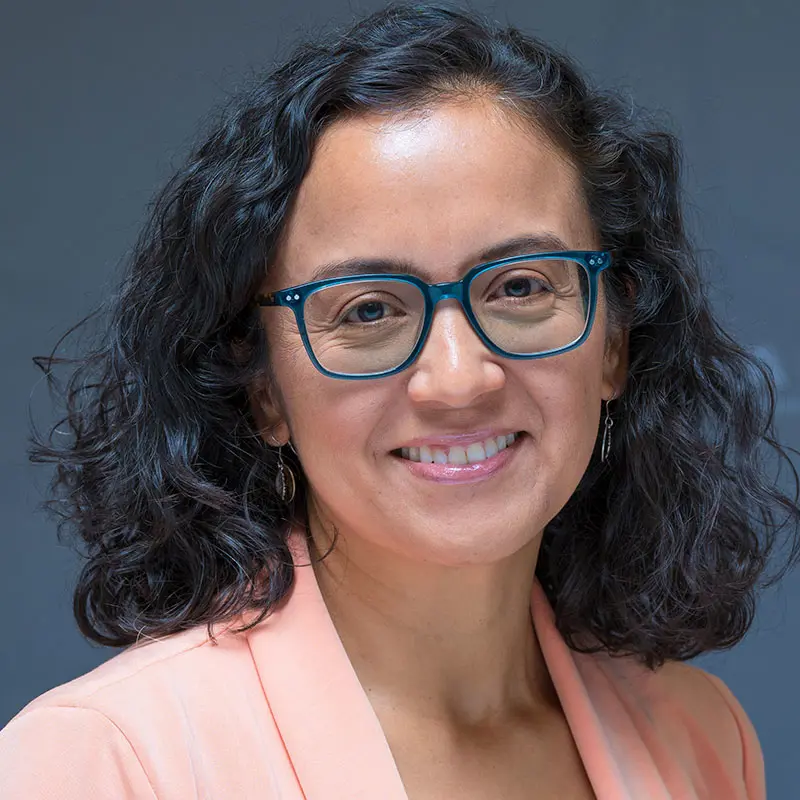
Rocio Rosales, PhD, BCBA-D, LABA
Professor of Psychology and Program Coordinator, Applied Behavior Analysis and Autism Studies, University of Massachusetts Lowell
Dr. Rosales was promoted to full Professor in September 2025 and coordinates the graduate ABA and Autism Studies program at UMass Lowell. The Association for Behavior Analysis International recognized her with its Outstanding Mentor Award in 2023, and her published research includes work on ABA service delivery for Latino families raising a child with autism spectrum disorder.
In This Guide
Is a Master’s in Applied Behavior Analysis Right for You?
The biggest question to answer before enrolling in any graduate degree program is, “Will this degree help me and my career?” A master’s in Applied Behavior Analysis can be a flexible degree with applications in a number of psychology-focused careers.
ABA Practitioners
Applied behavior analysis practitioners, including BCBAs and behavior technicians, help people replace undesirable behaviors with healthier, more productive ones. Though practitioners often help children with autism develop coping and social skills, they can work in any number of contexts.
ABA practitioners frequently work in:
- Brain injury rehab clinics
- Mental health practices
- Special education programs
- Social assistance communities, like foster and group homes
- Nursing homes and memory care communities that serve aging adults with Alzheimer’s and dementia
- Sports training and nutrition facilities
- Programs that help people with learning or attention differences, such as ADHD
Though the specific duties of an ABA practitioner change with the field, they’re typically responsible for crafting client treatment plans, working with clients individually, or overseeing interdisciplinary teams of caregivers and healthcare professionals.
Educators, School Counselors, and Administrators
To help students with physical, developmental, and learning disabilities, special education teachers often need quite a large toolkit. Pursuing a master’s degree in special education with a specialization in ABA is a great way to learn evidence-based techniques that can empower students in the classroom and beyond.
Likewise, school counselors with an ABA background can combine ABA theory and techniques with verbal therapy and play therapy to make their offices a welcoming place for students struggling with any number of issues.
For those considering a career as an administrator, a master’s in ABA teaches how to craft school policies and programs that help students, teachers, and parents. The field is under real strain right now, and an understanding of human behavior can go a long way in shaping environments where everyone can do their best work.
Industrial and Organizational Management Professionals
Industrial and organizational professionals apply psychological science to workplace behavior, including areas such as employee performance, training, leadership, and organizational systems. They can also spearhead recruitment initiatives, solve workplace conflicts, and craft policies that keep workers engaged and motivated.
This role typically requires a degree in psychology, but with a master’s in psychology with a focus on ABA, industrial-organizational psychologists can handle human resource issues in a scientific, hands-on way.
Behavioral Specialists
Budding applied behavior analysts can choose to narrow their focus to a specific population or field of study. These people are, in a broad sense, referred to as behavioral specialists.
For example, a behavioral gerontologist helps elderly people navigate the many issues often associated with aging. A behavioral neuroscientist focuses on the intersection of biology, environment, and behavior. Others apply ABA principles in substance abuse recovery programs or in forensic and criminal justice settings.
Research and Experimental Behavior Analysts
Not every ABA professional works with the general public or a specific client base. Some put their expertise to use in clinical or research settings, at colleges and universities, pharmaceutical companies, government agencies, and economic research firms.
How Long Does a Master’s in ABA Actually Take?
Ask three different programs how long their master’s takes, and you’ll get three different answers. That’s not programs being cagey. It’s a real structural difference in how they’re built: full-time versus part-time, thesis-based versus practicum-based, accelerated versus traditional. We asked professors directly, and the range that came back was wider than most prospective students expect.
The accelerated route
National University: MSABA
About 16 months, professional pace
- Format:Built for working professionals
- Pace:Fast. Requires real effort and discipline
- Best for:Students who want to reach BCBA eligibility quickly
The traditional route
University of the Pacific
2 to 2.5 years, full-time
- Format:Brick-and-mortar, full-time, thesis required
- Pace:Slower, research-intensive
- Best for:Students who want funded clinical experience and a research credential
Here’s how the co-directors of National University’s program described that pace directly:
Faculty Voice
“The average student gets through the MSABA Program in 16 months. This is very fast and requires lots of effort, studying and dedication.
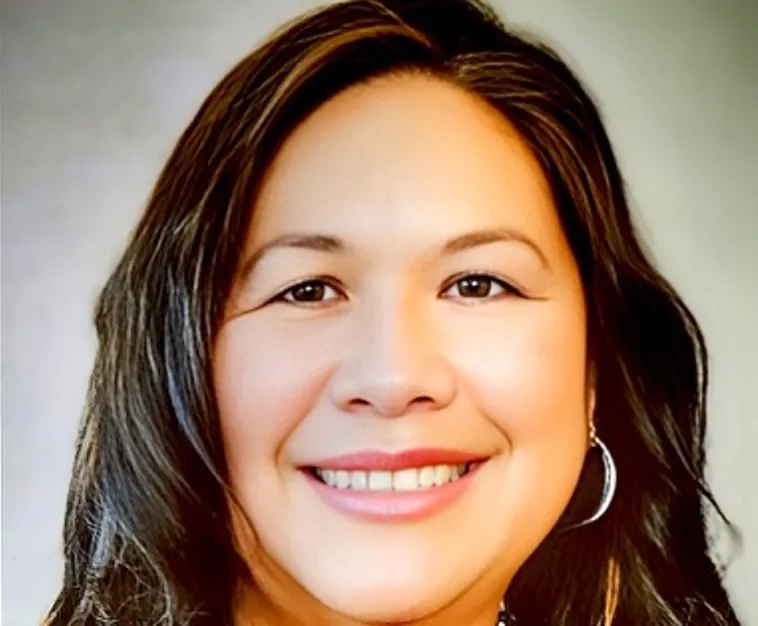

Compare that to the timeline at University of the Pacific, where the pace is intentionally slower and built around original research:
Faculty Voice
“Our program is a brick-and-mortar, full-time 2 to 2.5 year program with a required empirical thesis. In addition to coursework and thesis research, we also provide paid supervised clinical experience.
Do You Actually Need a Thesis?
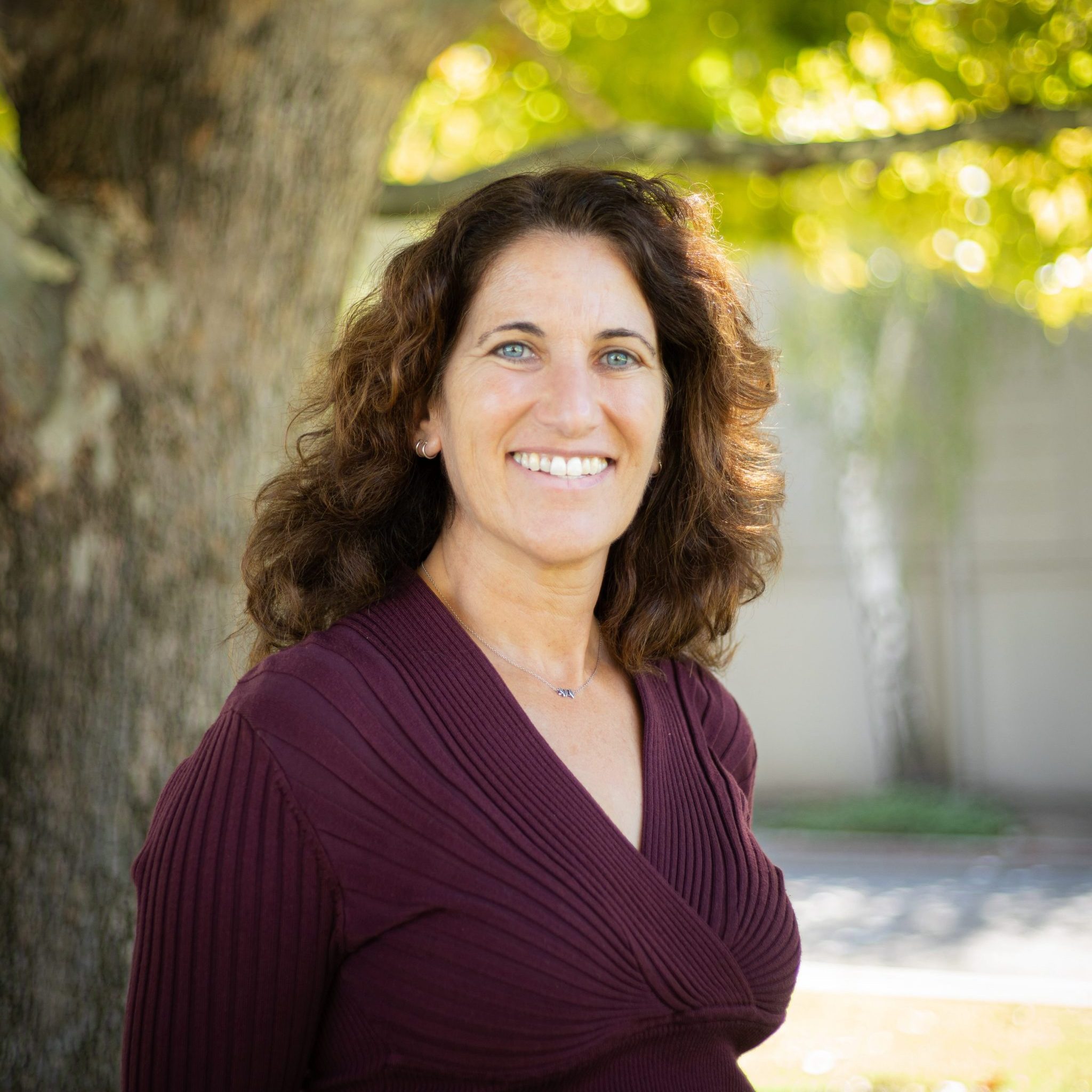
Kohn’s program builds a thesis directly into the timeline. Others take a different route, or offer both. Here’s how UMass Lowell’s Rocio Rosales described her program’s structure at the time of her interview for this series:
Faculty Voice
“Our master’s degree is 42 credit hours (14 classes) and students typically complete the program in 2 to 2.5 years.
A thesis isn’t itself a BCBA certification requirement. Your eligibility depends on meeting the BACB’s applicable degree, fieldwork, and examination requirements, not on whether your specific program included a thesis. Credit totals and thesis options can also shift from year to year, so treat any single quote like the one above as a snapshot rather than a program’s current catalog entry, and confirm exact requirements directly with the school before you enroll. The real question to ask is whether a program’s structure gives you the research credential a thesis provides, or lets you put that time toward fieldwork instead.
What Types of Master’s Degrees Are There? (MA, MS, MAT, MEd)
Master’s degree programs in ABA are usually housed in schools or colleges of behavior analysis, psychology, or education. Not every ABA master’s program is structured exactly the same or called the same thing. Understanding the differences between degree types can help you narrow your search.
MA vs MS in Applied Behavior Analysis
Most graduate-level ABA programs come in the form of a Master of Arts (MA) or Master of Science (MS). In general, MA programs take a more interdisciplinary, liberal arts approach to education, while MS programs focus more on developing specific technical skills.
The curriculum for MA and MS ABA degrees is often very similar. In many cases, the distinction depends on which school or college the program is housed in. MA programs are often found in schools of education, while MS programs are more commonly offered through schools of psychology.
MEd vs MAT in Applied Behavior Analysis
Students planning to enter education can pursue two additional types of ABA graduate degrees: a Master of Arts in Teaching (MAT) or a Master of Education (MEd).
An MAT with an emphasis on applied behavior analysis might be useful for current or future teachers who want to add more robust behavior intervention techniques to their skillset. MEd degrees are more tailored to educators who want to become administrators or school leaders. While earning an MEd in ABA or Special Education, students typically learn how to build a curriculum tailored to their students’ needs, use scientific research and ABA principles to guide school policy, and create inclusive learning environments where students with different needs can flourish.
Who Actually Enrolls in an ABA Master’s Program?
Picture the typical ABA master’s student, and you might imagine someone straight out of undergrad, psychology degree in hand, with no professional experience yet. That’s true for some students. But across the professors we interviewed, a different pattern showed up over and over: working professionals already in the field, not students starting from zero.
Faculty Voice
“The majority of our students are employed as behavior therapists, paraprofessional educators, teachers, educational specialists, or educational administrators, and they are seeking opportunities to expand their skills or advance their careers.
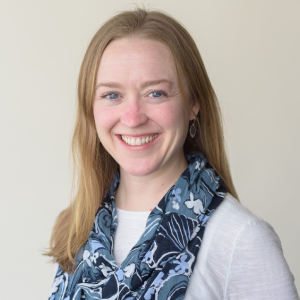
That’s not one program describing an unusual quirk. Here’s how another put it:
Faculty Voice
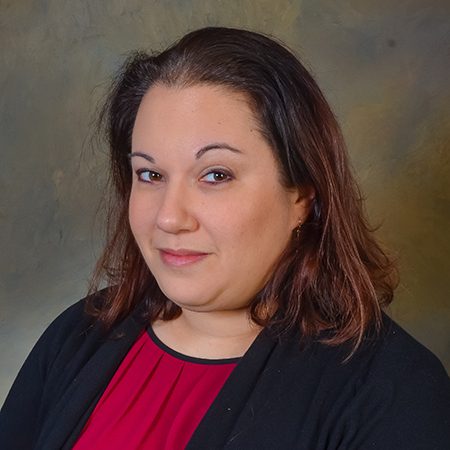
“Most of our distance students are already employed at autism agencies or school districts, and they are able to advance up the ladder with their MS degree.
How Common Is This Enrollment Pattern?
Our review of the interview series found that 10 of the 61 programs independently identified this same pattern: Central Michigan, Mary Baldwin, Michigan School of Psychology, National University, Nicholls State, St. Cloud State, Temple, Wayne State, Western Michigan, and University of Southern Maine. Pratt and Traub aren’t outliers, at least among the programs that raised it. This reflects what came up in our interviews, not a published enrollment census across all 61 programs.
If you’re weighing whether you need field experience before applying, the honest answer is that it helps but isn’t universally required. What matters more is whether a program’s schedule works around a full-time job, since working professionals are common enough in these cohorts that you likely won’t be the only one juggling one.
What Are the Admission Requirements?
Master’s programs of all types require applicants to have a bachelor’s degree from an accredited college or university. Some ABA master’s programs may require a bachelor’s degree in ABA or another relevant field like psychology or education, but this isn’t always the case.
Other common admission requirements for ABA master’s programs include:
- An undergraduate GPA of 3.0 or higher
- Letters of recommendation
- Admissions essays
- Interviews with program faculty
- Some programs may require GRE scores or an academic writing sample, though the GRE isn’t required by many current programs, and some explicitly say they no longer require it
If cost is a factor in your decision, it’s worth exploring ABA scholarships before you apply. A number of funding options exist specifically for students entering the behavior analysis field.
How Does a Master’s in ABA Lead to BCBA Certification?
Earning a master’s degree in applied behavior analysis is one of the requirements to become a BCBA (Board Certified Behavior Analyst), a professional designation offered by the BACB (Behavior Analyst Certification Board). The degree itself doesn’t confer certification. You’ll also need to complete supervised fieldwork and pass the BCBA certification exam. Professional licensure is a separate, state-specific matter on top of national certification. Many states regulate behavior analysts, and BCBA certification is a pathway to licensure in many jurisdictions, but requirements and exemptions vary, so check the licensing board in the state where you intend to practice.
Curriculum and Fieldwork Requirements
For BCBA Pathway 1, the BACB accepts qualifying master’s or higher degrees from APBA-accredited programs or ABAI-accredited/recognized behavior-analysis programs (ABAI Tiers 1, 2a, or 2b). Accreditation verifies your coursework, but candidates must also meet supervised-fieldwork requirements and pass the BCBA certification examination before they’re certified.
Under Pathway 1, candidates need to complete 2,000 hours of Supervised Fieldwork, or 1,500 hours if they qualify for the Concentrated Supervised Fieldwork track. Many ABAI- and APBA-accredited programs build fieldwork placement support directly into their curriculum, which makes it easier to hit whichever requirement applies before or alongside the certification exam.
What Should You Look for in a Program’s Course Sequence?
Accreditation status tells you a program meets a minimum bar. It doesn’t tell you whether the actual coursework is any good. We asked faculty what separates a strong course sequence from an adequate one, and the answer that came back most often was about range, not just rigor:
Faculty Voice
“I think the best aspects of our course sequences are the breadth and depth of student experiences available.

In practice, that means asking whether a program’s electives go beyond autism-focused coursework into areas like organizational behavior management, gerontology, or verbal behavior, and whether practicum placements expose you to more than one population or setting.
ABA Master’s Program Accreditation
The BACB doesn’t accredit university programs directly. For Pathway 1, it recognizes qualifying programs accredited by APBA or accredited/recognized by ABAI. ABAI’s Accreditation Board is recognized by the Council for Higher Education Accreditation (CHEA) for its bachelor’s, master’s, and doctoral behavior-analysis accreditation.
Here’s what to verify when evaluating programs:
- ABAI or APBA accreditation status (check the ABAI website directly)
- Supervised fieldwork placement support
- BCBA exam pass rates for program graduates
- Faculty with active BCBA or BCBA-D credentials
Find out more about BCBA certification requirements and how your master’s degree fits into the process. If you’re ready to take the next step, start searching for top ABA master’s programs that carry ABAI or APBA accreditation and include supervised fieldwork support.
Where Do Master’s in ABA Graduates Actually End Up?
Career outcomes vary by program. Here’s how one professor described the split at her own institution:
Faculty Voice
“About 1/3 of our students have gone on to PhD programs. 1-2 each year work for school districts and the others all join private practices.
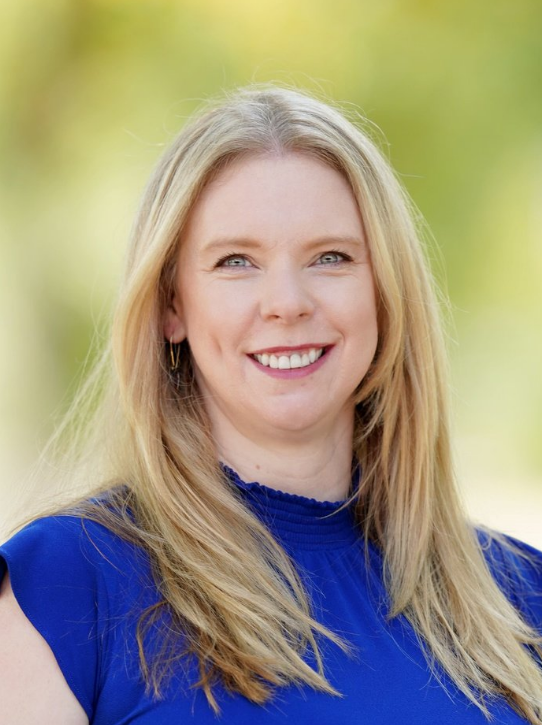
That specific split, roughly a third to PhD programs, a couple of graduates a year into school districts, and the rest into private practice, describes Fresno State’s outcomes, not a national distribution. Faculty across our broader interview series described graduates entering private practice, school settings, and doctoral programs, though the exact mix shifts by program, region, and what you do during fieldwork. For a deeper breakdown of specific roles and settings, see our full guide to what you can do with a master’s in ABA.
Frequently Asked Questions
How long does it actually take to earn a master’s in ABA?
It depends heavily on format. Accelerated, working-professional tracks like National University’s MSABA can be finished in as little as 16 months. Traditional, full-time thesis-based programs like University of the Pacific’s typically run 2 to 2.5 years. Most programs fall somewhere in that range, so ask directly about pace and format before assuming a number.
Do I need a background in psychology or education to apply?
Not always. While some programs prefer applicants with a related undergraduate degree, many ABA master’s programs accept students from a variety of academic backgrounds. What matters most is demonstrated interest in human behavior and the ability to complete graduate-level coursework.
Do I need to have already worked in the ABA field before applying?
No, but it’s common. Working professionals already in ABA-adjacent roles like behavior therapy, teaching, or paraprofessional support were a recurring pattern across the programs we interviewed. If you’re applying without that experience, look for a program that helps arrange fieldwork placements rather than expecting you to find one on your own.
Is an ABAI- or APBA-accredited program required to become a BCBA?
For Pathway 1, the most direct certification route, the BACB accepts qualifying degrees from ABAI-accredited or ABAI-recognized programs, or from APBA-accredited programs. Accreditation covers the coursework piece. You’ll still need to complete supervised fieldwork and pass the BCBA certification exam.
Can I complete a master’s in ABA online?
Yes. Many reputable ABA master’s programs are offered fully online or in hybrid formats. ABAI and APBA accreditation apply to online programs just as they do to on-campus ones. The key is confirming that whichever program you choose supports fieldwork placement in your area, since BACB’s supervised-fieldwork requirements, generally 2,000 hours of Supervised Fieldwork or 1,500 hours of Concentrated Supervised Fieldwork, still apply regardless of how you complete your coursework.
Key Takeaways
- Program length varies more than people expect. Accelerated, professional-pace tracks like National University’s MSABA run about 16 months. Traditional, thesis-based programs like University of the Pacific’s run 2 to 2.5 years.
- Some programs require a formal empirical thesis, others don’t. A thesis isn’t itself a BCBA requirement. The difference is whether you want the research credential or would rather put that time toward fieldwork.
- Working professionals already in ABA-adjacent roles were a recurring pattern across the programs we interviewed. If you don’t have that experience yet, prioritize programs that help arrange fieldwork placements rather than leaving you to find one alone.
- Faculty described graduates entering private practice, school settings, and doctoral programs. The exact split varies by program, region, and what you do during fieldwork, not a fixed national ratio.
- The degree title alone (MA, MS, MEd, MAT) doesn’t determine BCBA eligibility. Compare each program’s curriculum, accreditation or recognition status, fieldwork support, and intended professional focus instead.
Ready to find an ABA master’s program that fits your timeline and goals?
Compare programs by pace, thesis requirement, and accreditation status before you apply.