
Children with autism are significantly more likely to experience a range of co-occurring health conditions, including seizures, sleep disorders, gastrointestinal problems, and immune issues. These conditions don’t cause autism and autism doesn’t cause them, but they frequently appear together, which can make diagnosis and day-to-day management more complex for families.


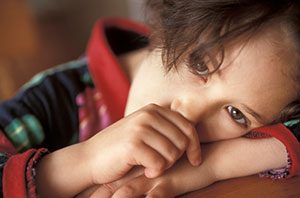 When a child is diagnosed with autism, the diagnosis itself is just the beginning. Many families quickly discover that ASD rarely travels alone. Not every child with autism will experience these conditions, but awareness helps families recognize when something may need medical attention.
Research consistently shows that children with autism are more likely than their neurotypical peers to experience a wide range of physical and medical conditions alongside their behavioral and developmental differences.
Understanding these co-occurring conditions matters. It helps parents recognize symptoms earlier, ask better questions at medical appointments, and advocate more effectively for their children. It also helps explain why behavioral challenges can sometimes spike without an obvious trigger. An underlying physical issue might be driving the behavior.
Here’s a look at the most commonly reported health problems that co-occur with autism.
Seizure Disorders
Epilepsy is one of the most common medical conditions associated with ASD. Research estimates the rate of epilepsy in children with autism ranges from 5% to 38%, compared to just 1% to 2% in the general population.
Seizures can begin at any point in a person’s lifetime, but they often emerge during childhood or again in adolescence. Studies suggest that most seizure activity in children with autism appears after age 10, with an average onset around 13 years old. The risk appears to be highest in children who also have an intellectual disability, and it may be elevated in those who experienced a regression in language skills before age three.
The ketogenic diet has been used in some cases to help manage seizure disorders, though its effectiveness varies and it should always be supervised by a medical team.
Sleep Disorders
Sleep problems are remarkably common in children with autism. Research suggests that up to 80% of children with ASD experience some form of sleep difficulty, whether that’s trouble falling asleep, waking repeatedly through the night, or consistently waking earlier than expected.
Several factors contribute to this. Anxiety and depression, which are more prevalent in children with autism, can make it hard for a child to wind down and fall asleep. Gastrointestinal discomfort can cause nighttime waking. Some children’s sleep problems are behavioral: they haven’t yet adjusted to consistent sleep boundaries. And certain medications used in ASD treatment can also affect sleep quality.
Some practical strategies can make a real difference. Keeping the bedroom cool and dark, maintaining a consistent sleep-wake schedule every day of the week (including weekends), cutting out caffeine, building a predictable bedtime routine, and making sure your child gets physical activity during the day can all help support better sleep.
Gastrointestinal Disorders
GI problems are another frequently reported concern in children with autism. Estimates vary widely, but research suggests gastrointestinal issues are significantly more common in children with autism than in the general population. Common symptoms include constipation, chronic diarrhea, abdominal pain, acid reflux, and vomiting.
Researchers haven’t fully pinpointed why this connection exists, though dietary sensitivities, gut microbiome differences, and immune system factors have all been studied. Some families have found improvement by adjusting their child’s diet, while others have found that probiotics help with certain symptoms. Any significant dietary changes should be made under the guidance of a pediatrician or registered dietitian to ensure nutritional adequacy.
One challenge is that children with autism experiencing GI discomfort may not be able to communicate what’s wrong. The pain can show up as behavioral changes instead. If your child is doing any of the following without a clear explanation (hitting themselves in the jaw, chewing excessively on clothing, coughing frequently, refusing to swallow food, or showing sudden changes in behavior), a GI evaluation is worth discussing with your pediatrician.
Some research suggests that treating GI symptoms may be associated with improvements in related behavioral concerns. That’s a meaningful connection worth pursuing.
Headaches
Headaches are less commonly recognized in children with autism, partly because pain perception differences have been reported in some autistic individuals, meaning a child may not experience or express pain the same way a neurotypical child would.
That said, research has found a link between ASD and migraines. A 2014 study found that children with sensory hyperactivity were more likely to experience migraines. Children with higher anxiety levels also showed higher rates of migraines and cluster headaches.
Head-banging behavior (which some children with autism engage in as a way of managing sensory input) can also contribute to headaches. And inflammation from GI disorders can be another underlying factor.
Addressing nutrition, reducing anxiety through behavioral therapies, and working with your child’s medical team can all help reduce the frequency of headaches.
Food Sensitivities and Allergies
The rise in autism diagnoses and the rise in childhood food allergies both accelerated significantly in the 1990s. Whether this reflects a shared underlying mechanism related to the immune system isn’t definitively settled, but researchers have noted the overlap.
Some families report behavioral changes related to specific foods, though scientific evidence supporting broad dietary restrictions in autism is mixed. If you suspect food sensitivities are a factor, working with a pediatric allergist or dietitian can help identify any genuine allergies and guide a safe elimination approach. Remove one food at a time, keep a detailed journal of behavioral and physical changes, and give each elimination several weeks before drawing conclusions.
Asthma
The relationship between ASD and asthma is still being studied, but research has increasingly noted a correlation. Asthma is an immune-mediated condition that causes inflammation in the lungs, and children with autism are thought to have an imbalance in immune and inflammatory processes. The shared immune system connection may help explain why these two conditions sometimes appear together.
It’s worth noting that asthma is common in the general pediatric population, so co-occurrence isn’t always ASD-specific. But for parents managing both, understanding the potential connection can be a helpful context.
Eczema and Other Skin Conditions
Children with autism are reported to be about 1.6 times more likely to have skin conditions like eczema. Research has pointed to a possible link between autism and autoimmune disorders, with some studies suggesting that parents with autoimmune conditions may have a higher likelihood of having children with autism.
When a skin condition accompanies ASD, it may reflect an underlying autoimmune component or a food sensitivity that’s triggering the skin response. As with GI issues, the behavioral expression of discomfort can sometimes be the first signal that something physical is going on.
Immune Disorders
The connection between autism and the immune system runs through many of the conditions described here. Current research points to a family history of immune disorders as a relevant factor when autism is present.
Some studies have identified associations between maternal immune activation during pregnancy and later neurodevelopmental differences, though this area of research is still evolving. The relationship is one of correlation and shared biology, and scientists are continuing to study what it means.
Tuberous Sclerosis Complex
Tuberous Sclerosis Complex (TSC) is a rare genetic condition that causes noncancerous tumors to grow in various organs throughout the body. Estimates suggest that a substantial percentage of individuals with TSC also meet criteria for ASD, compared to roughly 1% of the general population.
In many cases, TSC-related developmental disabilities are identified before ASD is formally diagnosed, simply because the neurodevelopmental picture is more complex to sort out. If your child has TSC, an ASD evaluation is worth discussing with their specialist team.
Feeding Disorders
Feeding difficulties are surprisingly common in children with autism, affecting an estimated 70% of those on the spectrum. Sensory sensitivities around food texture, smell, color, and appearance can make eating a significant source of stress. Children may refuse entire food categories, gag at certain textures, or become extremely distressed when asked to try new foods.
This isn’t just picky eating. For many children with autism, it’s a genuine sensory experience that requires a thoughtful approach. ABA-based feeding therapy has shown real promise for helping children expand their diets in a structured, low-pressure way. Strategies that give children some control, like offering a choice between two acceptable foods rather than presenting a single option, tend to work better than rigid insistence.
It’s also important to rule out an underlying food allergy as a contributor to food refusal, especially if the avoidance seems connected to specific physical symptoms after eating.
Frequently Asked Questions
Are co-occurring health conditions common in autism?
Yes, very. Research consistently shows that children with autism are significantly more likely than the general population to experience co-occurring physical and medical conditions. Gastrointestinal issues, sleep disorders, and seizures are among the most frequently reported. Understanding these conditions can help families recognize symptoms earlier and pursue appropriate treatment.
Can treating a physical condition help reduce behavioral challenges in autism?
It can, yes. When a child with autism can’t easily communicate that they’re in physical discomfort, that pain often shows up as behavioral changes. Some research suggests that treating GI symptoms may be associated with improvements in related behavioral concerns. Addressing underlying physical issues is always worth exploring when behavior seems to worsen without a clear reason.
What should I do if I suspect my child has a co-occurring condition?
Keep detailed notes. Document behavioral changes, when they occur, how long they last, and anything that seems to precede or follow them. Specific observations are far more useful to a clinician than general descriptions. Bring those notes to your child’s pediatrician or specialist and ask for a thorough evaluation of the specific condition you’re concerned about.
Does autism cause these health problems?
Not directly. ASD doesn’t cause epilepsy, GI disorders, or skin conditions, for example. What researchers have found is that several of these conditions share underlying factors, particularly related to the immune system and neurological development, that may make them more likely to occur together. The relationship is one of correlation and shared biology, not cause and effect.
How does ABA therapy relate to co-occurring health conditions?
ABA professionals don’t treat medical conditions, but behavior analysts often play an important role in helping children with autism manage the behavioral challenges that co-occurring conditions can create. ABA can also support treatment compliance, helping children tolerate medical procedures, follow dietary protocols, or build the routines that support better sleep and reduced anxiety.
Key Takeaways
- Co-occurring health conditions are common, not rare. Families should expect to navigate more than just behavioral and developmental differences.
- Seizures affect an estimated 5% to 38% of children with autism, with the highest risk in those who also have an intellectual disability.
- GI problems are significantly more common in children with autism and can contribute to behavioral challenges when the child can’t communicate physical discomfort.
- Sleep disorders affect up to 80% of children with ASD. Consistent routines and environmental adjustments can make a meaningful difference.
- Food sensitivities, immune disorders, skin conditions, asthma, and tuberous sclerosis complex all appear at higher rates in children with autism.
- When behavior changes without an obvious trigger, a physical cause is worth investigating.
- ABA therapy can support the behavioral dimension of managing co-occurring conditions, even when it isn’t treating the conditions directly.
Want to learn more about how ABA professionals support families navigating these challenges? Explore graduate programs in applied behavior analysis to see how behavior analysts are trained to help. If you’re considering that path, explore top ABA master’s programs to find the right fit.