Quick Answer
ABA treats addiction as learned behavior, using contingency management and voucher-based reinforcement to restructure what reinforces substance use. Careers run from community social services to private addiction treatment centers, and most independent roles require BCBA certification. Employment in this field is projected to grow 16.8% through 2034.


If you’re considering a career in applied behavior analysis, substance abuse treatment is one of the most challenging and most rewarding areas you can enter. Addiction touches millions of lives across the country, and the demand for evidence-based treatment has never been higher. ABA practitioners bring something unique to this space: a data-driven, behavioral framework that treats addiction not as a moral failing but as a learned pattern of behavior that can be changed.
Here’s what that actually looks like in practice, and what it takes to build a career in this field. Along the way you’ll hear from faculty who run ABA programs across the country, drawn from the interviews we’ve conducted for our professor series. One of them has spent her career building exactly the kind of behavioral interventions this page describes.

Professor of Psychology, Rowan University
Dr. Raiff’s research sits at the intersection of behavior analysis and substance use treatment. She directs Rowan’s Health and Behavior Integrative Treatments (HABIT) Research Unit, where her work centers on incentive-based interventions for drug and tobacco abstinence, the same contingency management principles described throughout this guide, delivered through technology to make them cheaper and easier to scale.
Why Does ABA Treat Addiction as Learned Behavior?
Drug addiction is one of the most costly public health crises in the United States. The combined costs of drug, alcohol, and tobacco use, spanning medical care, lost productivity, and related social expenses, run into the hundreds of billions of dollars annually, making addiction among the most economically burdensome health problems in the country.
Although the exact causes of addiction aren’t fully understood, it’s widely accepted that it stems from a combination of genetic and environmental factors. To applied behavior analysts, drug and alcohol abuse is another form of destructive behavior that responds to the same operant conditioning principles used across every other area of ABA practice.
That’s not a dismissal of how serious addiction is. It’s actually what makes ABA so effective here. When you approach substance use as a behavior with identifiable antecedents, consequences, and reinforcement patterns, you can design interventions that address those patterns systematically rather than relying on willpower alone.
Which ABA Techniques Actually Work for Substance Abuse?
Contingency management is the intervention class with the strongest research base here. Voucher-based reinforcement is one method of delivering it rather than a separate treatment. A third line of research combines contingency management with cognitive behavior therapy, and the results there are genuinely mixed.
How Does Contingency Management Work?
Contingency management (CM) has one of the strongest research bases among behavioral interventions for substance use disorders. A 2007 report from the National Collaborating Centre for Mental Health in the United Kingdom identified CM as one of the most effective psychosocial interventions available for opioid detoxification and addiction treatment.
CM works by applying the ABCs of applied behavior analysis directly to the addiction cycle:
- Antecedent: The trigger or situation that leads to the behavior, such as feelings of depression, anxiety, or a desire to escape discomfort.
- Behavior: The action taken in response, such as drinking, smoking, or using drugs.
- Consequence: The reinforcement that keeps the cycle going, such as the temporary relief or pleasure the drug produces.
The goal of CM is to break that cycle by restructuring the consequences. Approved behaviors get positive reinforcement, typically contingent on an objectively verified target such as a drug-negative urine sample. Destructive behaviors lose their reinforcing value through systematic intervention.
What Is Voucher-Based Reinforcement?
The most researched way of delivering CM is voucher-based reinforcement. It’s a variation on the token economy model. Clients earn vouchers for demonstrating drug-free behavior, typically verified through urine samples, and exchange those vouchers for approved goods or activities.
Here’s what the research actually found, and it’s worth being precise because the numbers get misquoted a lot. A 2006 meta-analysis pooled 30 abstinence-focused studies of voucher-based reinforcement across multiple substances. It reported an average effect size of r = 0.32, with a 95% confidence interval of 0.26 to 0.38. That’s a modest-to-moderate effect, consistently positive, and it’s the honest headline. Higher “success rate” percentages get quoted for VBRT around the web, but they don’t come from this analysis.
A separate study tested what happens when you raise the stakes sharply. Seventy-two cocaine-using methadone patients were offered $100 in vouchers for two days of abstinence. Among participants with complete data, 84% were abstinent during the test week. Over the corresponding two-day interval the following week, once the large incentive was gone, 32% were.
That drop is the real story of CM research. The intervention works while it’s running. Holding the gains afterward is harder, and how much harder varies by substance, by program, and by how long you follow people. That’s not a failure of ABA. It’s a reflection of how complex addiction is, and it’s driving ongoing research into longer-term behavioral support models.
Does Adding CBT Improve the Results?
Some researchers have looked at whether combining CM with cognitive therapy holds the gains better. The logic is appealing: attack the problem from both directions, the observable behavioral patterns and the thought patterns that fuel them. In addiction contexts this work is often delivered in collaboration with licensed mental health clinicians.
The evidence, though, is mixed rather than settled. Some trials find complementary or more durable effects. Others find no added benefit from combining the two, and a few find worse outcomes than CM alone. If you see the combination described as an established improvement, that’s ahead of the research.
Is Addiction Treatment Really an ABA Career Path?
This is the question worth asking before you build a career plan around it. Autism and developmental disability services are by a wide margin the field’s largest employment sector. Search job boards for behavior analyst roles and that’s overwhelmingly what comes back. So is addiction work a genuine path, or a footnote?
We put versions of this question to faculty across our professor interview series. The answers were consistent, and more candid than we expected.
Faculty Voice
“To me the most pressing issues in ABA today are finding ways to extend our science to other important areas and have it be respected and valued in those disciplines. We’ve done a pretty good job of getting ABA valued in the area of autism and developmental disabilities… but I would love to see ABA respected in areas such as health and wellness, substance abuse, geriatrics, and even politics.
Read that carefully. Raiff runs a substance use research lab, and she’s describing this as something she’d like to see happen rather than something already settled. That’s an honest read of where the field sits, and it’s worth more to you than a promise that the jobs are waiting.
Some of the work that does exist is funded research, and some of it is clinical. At the University of Florida, Jesse Dallery pointed to the funding side directly:
“Funding opportunities exist in many areas including behavioral gerontology, substance abuse, developmental disabilities, autism, language development, behavioral safety, performance management, behavioral economics, and animal learning, husbandry, and conservation.”
 Jesse Dallery, PhD · University of Florida · Full interview with the University of Florida →
Rebecca Hartzell, who directs the MA program in applied behavior analysis at the University of Arizona, described the same trajectory from a curriculum standpoint:
“The field of Applied Behavior Analysis has been shown to be effective with many individuals, not just individuals with autism. In the future, Applied Behavior Analysis can be utilized more with the elderly, individuals experiencing addiction, and students in the school setting.”
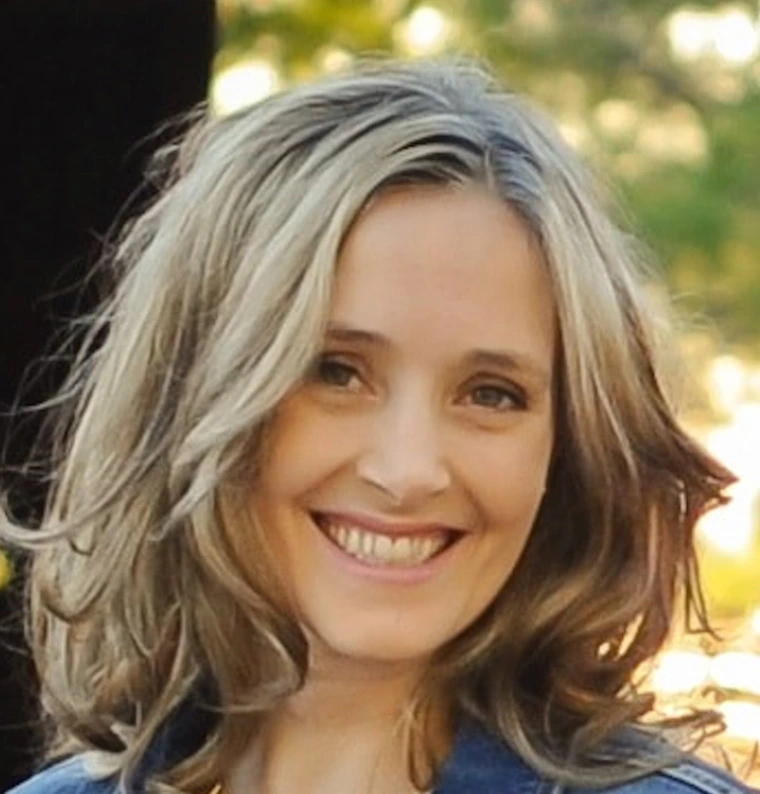 Rebecca Hartzell, PhD, BCBA-D · University of Arizona · Rebecca Hartzell on Arizona’s ABA program →
Three faculty, three institutions, the same shape of answer. So we counted how often it comes up across the whole series.
What Our Full Interview Series Shows
By our own coding of the transcripts, 7 of the 61 ABA programs in our faculty interview series raised substance use, addiction, or gambling as an area their work touches. Of those, 4 described it as already underway in their curriculum, their faculty research agendas, their funded lab work, or their applicant demand. The other 3 framed it as where ABA should expand next. Roughly one program in nine is engaged with addiction at all, and for most of those it’s still emerging rather than established.
So the honest answer: yes, it’s a real path, and no, it isn’t a large one yet.
There’s a practical implication worth being precise about. The BCBA is a broad credential, but it doesn’t by itself make you competent to work with a population you’ve never trained in. The BACB Ethics Code is explicit that certificants practice only within their documented scope of competence, and moving into a new practice area calls for study, training, supervised experience, consultation, or co-treatment before you take clients. State licensure law and payer rules sit on top of that as separate requirements.
So plan for two things rather than one. Earn the credential, and deliberately build addiction-specific competence through coursework, practicum placement, and supervision from someone already doing the work. Ask programs directly whether they can support that before you enroll.
Where Do ABAs Work in Substance Abuse Treatment?
Behaviorally oriented substance use work happens across research settings, outpatient programs, residential and inpatient treatment, community agencies, and private practice. Two settings come up often enough in this field to be worth describing in detail, though they’re not the only options. In most cases you’ll be working alongside licensed medical and mental health professionals, which matters because addiction frequently involves medical and psychiatric needs that fall outside a behavior analyst’s scope.
Community Service Agency ABA positions are often with non-profit social services providers. You’ll work with low-income and historically underserved populations, and caseloads can be broad. Clients often present with multiple overlapping issues, including substance use alongside mental health conditions, housing instability, or chronic health problems. Your role may focus more on triage, intake assessments, and case coordination than on intensive one-on-one therapy.
Addiction Treatment Center ABA roles typically involve a more stable patient population with stronger external support systems. Addiction may be the primary or exclusive focus of treatment, which means you’ll have more opportunity for consistent, intensive behavioral intervention. You’ll have more direct contact with individual clients and more control over how treatment plans develop over time.
Private practice is another option. Behavioral counseling practices skew heavily toward autism services, but some do see clients with addiction concerns, particularly families seeking a behavioral approach for an adult family member.
In these settings you’ll often collaborate with physicians, psychiatrists, social workers, and counselors as part of an integrated care team. You’ll frequently provide guidance to families on how to continue behavioral strategies at home, which matters because the social and physical environment a person returns to can strongly affect relapse risk. And you may supervise the day-to-day implementation of behavior management plans by RBTs and BCaBAs who have the most direct client contact.
What Credentials Do You Actually Need?
Two things get conflated constantly here, so it’s worth separating them up front. BCBA certification comes from the Behavior Analyst Certification Board and is national. A license to practice as a behavior analyst comes from your state, and many states regulate the profession separately. In a regulated state you generally need both, and holding the certification doesn’t automatically complete the state’s requirements.
For BCBA certification, most people go through Pathway 2. Under the 2026 BCBA Handbook that means a master’s degree or higher from a qualifying institution, 315 instructional hours of behavior-analytic coursework meeting the BACB’s specified content areas, supervised fieldwork, and a passing score on the BCBA exam. The coursework has to come from an institution with an authorized Pathway 2 Program Contact, a designated faculty member who formally attests to the BACB that you’ve met the content requirements.
Your degree doesn’t have to be in psychology or ABA. Pathway 2 doesn’t restrict the field of the master’s itself, which is what opens the door to people arriving from counseling, education, and social work backgrounds. What it does restrict is the coursework, and a generic graduate certificate in ABA won’t satisfy it on its own. The hours have to meet the content requirements and be attested by an authorized Program Contact, so confirm that with any program before you enroll on the assumption that a certificate gets you there.
If you’re weighing specific programs, see how the programs compare state by state and ask each one directly whether it has an authorized Pathway 2 Program Contact.
Can You Do This Work Without a BCBA?
Addiction treatment employs a range of credentials, and plenty of the direct client work is done by people who aren’t BCBAs:
- Board Certified Assistant Behavior Analyst (BCaBA): An undergraduate-level BACB credential. BCaBAs deliver behavior-analytic services under the supervision of a BCBA or BCBA-D.
- Registered Behavior Technician (RBT): A paraprofessional BACB credential. Current requirements go well beyond the diploma: you must be at least 18, hold a high-school-level education, pass background and abuse-registry checks, complete 40 hours of training and an initial competency assessment, then apply for and pass the RBT exam. Ongoing supervision and annual maintenance are required to keep it.
- Certified Alcohol and Drug Counselor (CADC): State-level certifications vary, and a degree in psychology or counseling is commonly required. Nationally, NAADAC and the NCC AP offer NCAC I, NCAC II, and the Master Addiction Counselor credential. The National Board for Certified Counselors also offered a Master Addictions Counselor certification, but it’s under review and not accepting new applications, so don’t build a plan around it.
Whether you can design and oversee behavior intervention plans on your own depends on more than the credential letters. It turns on your BACB certification level, your state’s licensure law, the payer, and your own documented scope of competence. BCaBAs and RBTs work under required BACB supervision regardless of setting.
If you’re earlier in your career, volunteering with community-based addiction programs is an excellent way to gain experience before committing to a graduate program. It’s practical exposure to the work, and it strengthens both your resume and your graduate school applications.
What Does the Work Pay, and Is the Field Growing?
Substance abuse and addiction treatment is a field with strong, sustained demand. Nationally, employment for substance abuse, behavioral disorder, and mental health counselors is projected to grow 16.8% between 2024 and 2034, adding 81,100 new positions over that period, with an average of 48,300 job openings each year. The occupation employed 491,930 people as of May 2025.
On the earnings side, the national median salary was $59,350. Entry-level positions start around $38,940 (10th percentile), and experienced professionals in senior roles earn $97,590 or more (90th percentile). The national mean wage across the field sits at $64,440, higher than the median because a relatively small number of high earners pull the average up. The median is the better number to plan around.
Bear in mind that this BLS category is much broader than ABA. Actual pay for a given role depends on your credential, employer, location, setting, and experience, and BCBAs frequently earn above these figures.
Frequently Asked Questions
What makes ABA different from other addiction treatment approaches?
ABA focuses on the functional relationship between behavior and its environment. Rather than treating addiction as purely a psychological or medical issue, ABA practitioners analyze what triggers substance use, what consequences reinforce it, and how to restructure those patterns systematically. That framework is compatible with other evidence-based treatments, though combining it with cognitive behavior therapy has produced mixed results in trials rather than a clear improvement.
Do I need a BCBA to work in substance abuse treatment?
Not necessarily. Addiction treatment employs certified alcohol and drug counselors, BCaBAs, RBTs, and licensed counselors and social workers. Whether you need BCBA certification depends on the specific service you want to deliver, your state’s licensure law, and the payer. If you want to practice behavior analysis independently, BCBA certification is the relevant credential, but it authorizes you only within your documented scope of competence.
What’s the biggest challenge in ABA-based addiction treatment?
Maintaining treatment gains is one of the central challenges. Contingency management shows strong effects on abstinence while the intervention is running, and those effects are less consistent once incentives end. In one brief-abstinence study, 84% of participants with complete data were abstinent during the incentive week and 32% over the equivalent interval the week after. How much gains hold varies by substance, program, and follow-up period.
Can ABAs work in both inpatient and outpatient addiction settings?
Yes. Behaviorally oriented substance use work happens across inpatient treatment centers, outpatient community programs, private practice, research settings, and social services agencies. The patient population and intensity of treatment differ significantly across these settings, but the core behavioral principles apply in all of them.
How many ABA programs actually cover addiction?
Fewer than you might expect. Across the 61 ABA programs in our faculty interview series, our coding found 7 that raised substance use, addiction, or gambling as an area their work touches, and only 4 of those described it as already active in their curriculum or research. If addiction is your target, ask programs directly about faculty research agendas and practicum placements before you enroll.
Is substance abuse counseling a growing field?
It is. Employment in this field is projected to grow 16.8% nationally between 2024 and 2034, which is significantly faster than average for all occupations. Demand is driven by ongoing mental health and substance use crises, expanded insurance coverage for addiction treatment, and growing recognition of evidence-based behavioral approaches.
Key Takeaways
- Contingency management is the core approach: it has one of the strongest research bases among behavioral interventions for substance use, and voucher-based reinforcement is a method of delivering it rather than a separate treatment.
- The effects are strongest during treatment: a 30-study meta-analysis found an average effect size of r = 0.32 for voucher-based reinforcement, and holding gains after incentives end is markedly harder.
- Combining CM with CBT is unsettled: some trials find added or more durable benefit, others find none, so treat it as an open research question rather than an upgrade.
- A real path, but still a small one: by our coding, 7 of the 61 programs in our faculty interview series engage with addiction at all, and only 4 describe it as already active work.
- Certification and licensure are separate: BCBA certification is national and comes from the BACB, while a license to practice comes from your state. In regulated states you generally need both.
- Scope of competence governs what you can actually do: the BACB Ethics Code requires certificants to practice only within their documented competence, so moving into addiction work calls for deliberate training, supervised experience, or consultation.
- Job outlook: employment is projected to grow 16.8% through 2034, with a national median salary of $59,350 and the 90th percentile at $97,590.
Ready to explore ABA programs that can prepare you for a career in substance abuse treatment?
2025 US Bureau of Labor Statistics salary and employment figures for Substance Abuse, Behavioral Disorder, and Mental Health Counselors, and Psychiatric Technicians for RBT-related content, reflect state and national data, not school-specific information. Note: ABA/BCBA and RBT roles are included in these broader BLS categories, and actual salaries for these professionals are frequently higher. ABA salaries can vary based on experience, location, and setting. Data accessed August 2026.