Quick Answer
When asked what worries them most about ABA today, professors named workforce quality and demand most often, cited by professors from 33% of the 61 ABA programs we surveyed, followed closely by concerns about keeping the science evidence-based at 32%. Smaller but recurring themes included the field being mistaken for an autism-only specialty, cultural responsiveness gaps, and pressure from insurance and caseload demands.


Every field has a version of this question, and most people answering it reach for something safe. We didn’t get that here.
We asked more than 70 professors running 61 different ABA graduate programs nationwide, as part of our ongoing faculty interview series, what they consider the most pressing issues facing the field today, and how their own program prepares graduates to deal with them. Read together, their answers are more candid than the usual promotional copy about a fast-growing field. Several raised real concerns about where ABA is headed, not just how to market a degree in it.

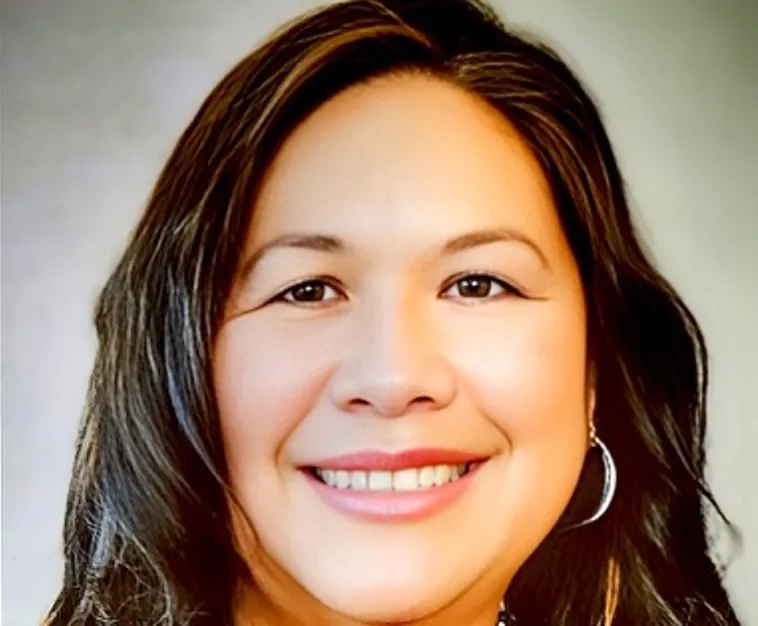
Assistant Teaching Professor Emeritus, University of Washington (Senior Lecturer and Program Director at the time of interview)
Dr. Rosenberg led the University of Washington’s ABA program for years before her current emeritus status. Her answer about pressing issues doesn’t shy away from a harder admission than most: cultural responsiveness, meeting families and clients from backgrounds different from the field’s own, is an area she says ABA hasn’t historically done well. That kind of self-critique is less common than the usual promotional answer, which is part of why her perspective anchors this page.
In This Guide
Workforce Demand and Quality Under Pressure
Faculty from 20 of the 61 schools we surveyed, 33%, raised some version of the same tension: the field is growing fast, and growing fast is straining its ability to train people well.
Faculty Voice
“The most pressing issue in ABA today is the lack of providers. All businesses in my area have wait lists.

Other programs were explicit that the shortage isn’t just about headcount, it’s about qualified headcount:
Faculty Voice
“Right now, the most pressing issue in the field is the lack of qualified practitioners.

Some professors connected that growth pressure directly to how the field is perceived publicly, not just how it’s staffed:
Faculty Voice
“Ensuring the quality of services provided in the name of ABA… a second pressing issue is ensuring accurate and positive dissemination of our science.

That tension between growth and training quality showed up again and again, sometimes framed as a race the field is at risk of losing:
Faculty Voice
“The field is growing very quickly, but we still can’t meet the need that is out there. The high demand has challenged our field to churn out practitioners quickly while maintaining high standards.

These aren’t abstract worries either. Faculty across the interview series described real strain on their own placement pipelines, and where those graduates actually end up working spans far more settings than most people assume, which is part of why demand shows up so differently from one program to the next.
Is the Science Staying Evidence-Based?
Professors from 19 of the 61 programs, 31%, roughly one in three, raised evidence-based practice or the field’s basic-science foundations unprompted, when asked what worries them most.
Faculty Voice
“The most important issue… involves the prevalence of pseudoscientific and fad interventions that displace evidence-based practice.

For some, the answer was less about outside threats to the science and more about what’s missing from training itself:
Faculty Voice
“One big challenge is to develop competent practitioners who understand basic research and the philosophy that support ABA.

One professor described how his own program tries to guard against this, not as a single course but as a thread running through the whole curriculum:
Faculty Voice
“Programs like ours immerse students in the philosophy of science of behavior throughout the curriculum; it is not just one course.

The Field’s Scope Beyond Autism
Faculty from 12 of the 61 programs, 20%, one in five, raised a version of the same concern: that ABA is being reduced to “autism therapy” in public perception, when the underlying science applies much more broadly.
Faculty Voice
“If behavior analysis becomes synonymous with autism treatment and nothing else, then the misperceptions of BA being relevant to very few problems gets reinforced.

Other professors described it as an active misconception their own programs work to correct, not just a public-relations concern:
Faculty Voice
“One current pressing issue in ABA is that it is mistakenly becoming synonymous with intervention for individuals with autism spectrum disorder.

Others pointed to the credential itself as evidence the field was never meant to be this narrow:
Faculty Voice
“…the credential in our field is not specific to any diagnosis.

What “Beyond Autism” Actually Looks Like
Faculty elsewhere in our interview series pointed to specific non-autism applications already established in the field: organizational behavior management, behavioral gerontology, forensic behavior analysis, and work with substance use and feeding disorders, among others. These applications draw on the same core principles of behavior analysis, adapted to different populations, settings, and problems.
Professors also connected this directly to what the field has to offer outside its most familiar applications:
Faculty Voice
“Although ABA wouldn’t be where it is today without the emphasis on autism and developmental disabilities, the field has so much to offer outside those areas.

Cultural Responsiveness Gaps
Faculty from 9 of the 61 programs, 15%, named cultural responsiveness or diversity as a gap in the field, and unlike some of the other themes on this page, the professors who raised it generally described it as ongoing work rather than a solved problem.
Faculty Voice
“Each of us needs to be prepared to work with families and clients who may come from cultures very different from our own… this is not an area where ABA has been particularly strong in the past.
Some programs described specific institutional responses, not just an acknowledgment of the problem:
Faculty Voice
“Pressing issues include providing ABA services in a culturally responsive manner… our grant allows us to train students in cultural issues as they apply to ABA services.


Others framed the issue more broadly, tying it to social determinants of health rather than culture alone:
Faculty Voice
“The most pressing issues in our society today include social determinants of health and mental health… social justice initiatives focused on… equity and inclusion.

Ethics, Caseloads, and Insurance Pressure
Faculty from 6 of the 61 programs, 10%, named ethics or caseload pressure directly, and those from a separate 6 of 61 programs pointed to insurance and reimbursement structures as a force reshaping how training and services get delivered.
Faculty Voice
“The growth of insurance and government initiatives is placing a lot of pressure on agencies to provide services efficiently and quickly… this can lead to ethical concerns regarding adequate training as well as lead to large caseloads.

Others framed it more simply, as a question of whether the field can keep its own standards intact while scaling:
Faculty Voice
“One of the most important issues facing the field of ABA today is assuring competent and ethical practice of graduates.

If ethics training specifically is something you want to dig into before choosing a program, our guide to ethics for behavior analysts covers the BACB’s ethics code in more depth than we can here.
What This Means for Choosing a Program
None of these five issues should scare you off the field. They’re exactly the kind of thing a maturing profession argues about with itself, and the fact that professors raised them unprompted, rather than us asking leading questions, is arguably a sign of a healthy field rather than a troubled one. What matters is using them to ask sharper questions.
Questions worth asking any program you’re considering:
- How does the curriculum address evidence-based practice specifically, not just as a buzzword but as a required course or thread throughout?
- What does the program teach about ABA’s applications beyond autism, and does that show up in coursework or only in passing mention?
- Is there dedicated training in cultural responsiveness, or is it left to individual instructors to cover if they choose to?
- How does the program talk about caseloads, burnout, and ethical practice as a working professional, not just as an exam topic?
Frequently Asked Questions
What do ABA professors see as the field’s biggest challenge right now?
There’s no single answer, but workforce demand and training quality came up most often, named by professors at 33% of the 61 programs we surveyed, followed closely by concerns about keeping the science evidence-based, at 32%.
Is ABA only used for autism treatment?
No, though it’s often perceived that way. Twenty percent of the professors we surveyed specifically raised concern about the field being reduced to “autism therapy” in public perception, when the underlying science applies to a much broader range of populations and settings.
Is ABA still evidence-based?
Professors in our interviews take this concern seriously. Thirty-two percent specifically named evidence-based practice or the field’s scientific foundations as a pressing issue, often pointing to pseudoscientific or fad interventions as a real threat worth training students to recognize. The evidence base varies by specific intervention, population, and outcome, so individual practices should be evaluated on their own supporting evidence.
Does ABA training address cultural responsiveness?
Unevenly, according to our interviews. Fifteen percent of professors specifically named cultural responsiveness as a gap the field still needs to address, and the professors who raised it generally described it as ongoing work rather than a solved problem.
Are there ethical concerns in ABA practice?
Some professors raised them directly. Ten percent named ethics or caseload pressure as a pressing issue, often tied to a separate 10% who pointed to insurance and reimbursement structures pushing agencies toward faster, higher-volume service delivery.
Key Takeaways
- Workforce demand and training quality is the most-named concern, raised by a third of the professors we surveyed.
- Keeping the science evidence-based is a close second, named by nearly a third, often framed around pseudoscience and fad interventions.
- A fifth of professors worry ABA is seen as autism-only, when the underlying science applies far more broadly.
- Cultural responsiveness was named as an unresolved gap, not a solved problem, by every professor who raised it.
- Ethics, caseloads, and insurance pressure are connected concerns that several professors linked directly to the field’s rapid growth.
Ready to find a program that takes these issues seriously?
Compare ABA graduate programs and see how they address the field’s real challenges.